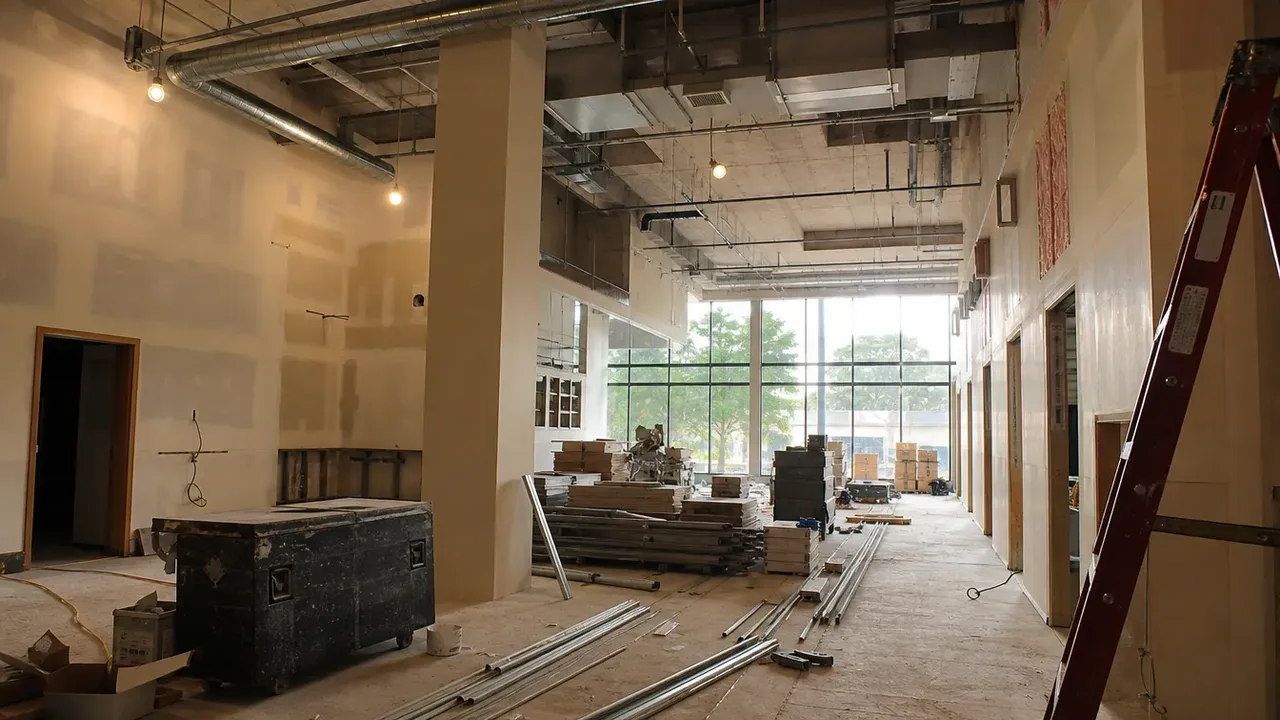
There is a line near the bottom of every fit-out budget labeled contingency, and it is the most misunderstood number on the page. First-time owners treat it as a cushion: soft money, there to absorb whatever happens, spent whenever spending feels necessary, its balance checked, if ever, at the end. Owners on their third project treat it as something else entirely: a managed reserve with an owner, a purpose, drawdown rules, and a burn rate that gets read like a vital sign.
The difference between those two postures is frequently the difference between a project that ends stressed and one that ends solvent. This is the Budget Desk case for the second posture.
What contingency is for: and what it is not
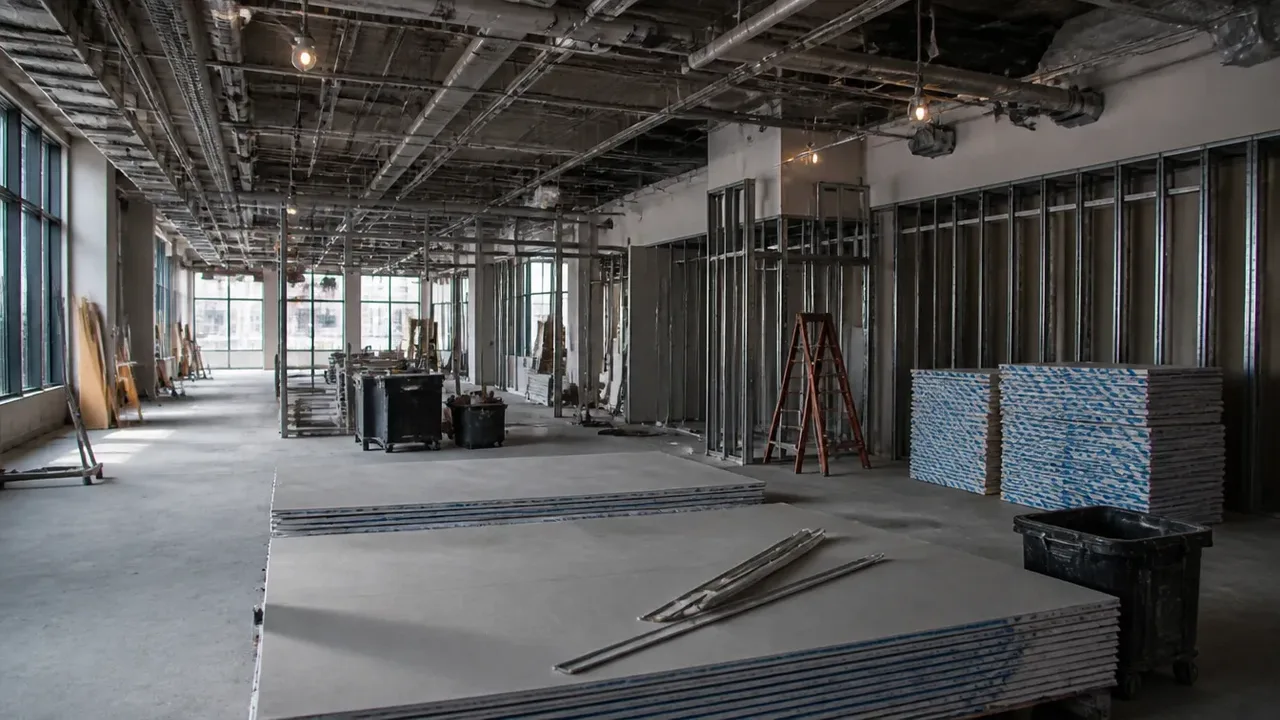
Contingency exists to absorb risk, and risk has a specific shape: things that were unknowable or unpriceable when the budget was set. The trench hiding in the slab. The wall with nothing behind the plaster. The code upgrade surfaced in permit review. The price move between budget day and order day. In renovation work, and nearly every hospitality fit-out is renovation work of some kind, as our guide to second-generation spaces keeps finding, a meaningful share of these surprises is close to guaranteed, which is why contingency is not optional padding but a structural part of the estimate.
What contingency is not for: upgrades. The better chairs, the added wine wall, the bathroom tile you fell for in month three. Those are scope decisions, wish money, not risk money, and they belong in the change-order process with their own funding conversation, as we argued in the change-order economy. The fastest route to a broke project is letting wishes drink from the risk reserve, because the risks do not stop coming just because the reserve is gone. Every dollar of contingency spent on a want is a dollar unavailable for the surprise that has not surfaced yet, and in month two, most of the surprises have not surfaced yet.
Sizing it honestly
How big should the line be? Anyone quoting you a single universal percentage is selling comfort. The honest answer is that the number is driven by identifiable factors, and pricing those factors is a conversation to have explicitly with your architect and contractor:
- Building age and documentation. An old building with no as-built drawings carries more unknowns than new shell space. Renovation carries more than ground-up; occupied-building work more still.
- Design completeness at pricing time. A budget set from finished construction documents needs less contingency than one set from schematic drawings, because less is still undecided. Early budgets are not wrong to exist, but their contingency has to carry the unfinished design, and it should shrink as drawings firm up.
- Contract type. A fixed-price contract transfers some risk to the contractor (who prices it into the bid); cost-plus arrangements leave more risk with you and want a larger owner-side reserve: one of the trade-offs we walk through in the contract-types piece.
- Market conditions. Volatile material pricing and tight trade availability both widen the range of what "unknowable at budget time" can cost.
Two structural notes that surprise first-timers. First, there are usually two contingencies on a well-run job: the contractor's (inside a fixed price or a guaranteed maximum, covering their estimating risk) and the owner's (outside the contract, covering everything else). Knowing which one a given surprise draws from is half of every mid-project money conversation. Second, contingency covers the whole project, not just construction. The FF&E and pre-opening budgets carry their own unknowables, and a reserve that construction exhausts by month four leaves the opening itself unprotected.
Drawdown rules: the part that makes it a plan
A reserve without rules is just a slush fund with a formal name. The management regime, kept deliberately light:
- One gatekeeper. Every draw against contingency is approved by one named person: usually the owner or the owner's project manager. Not the GC, whose job is to request, and not "the partners," which means nobody.
- Every draw logged with a cause. One line each: what happened, what it cost, which category of surprise it was. Ten minutes a week, and it turns the reserve into an instrument you can read.
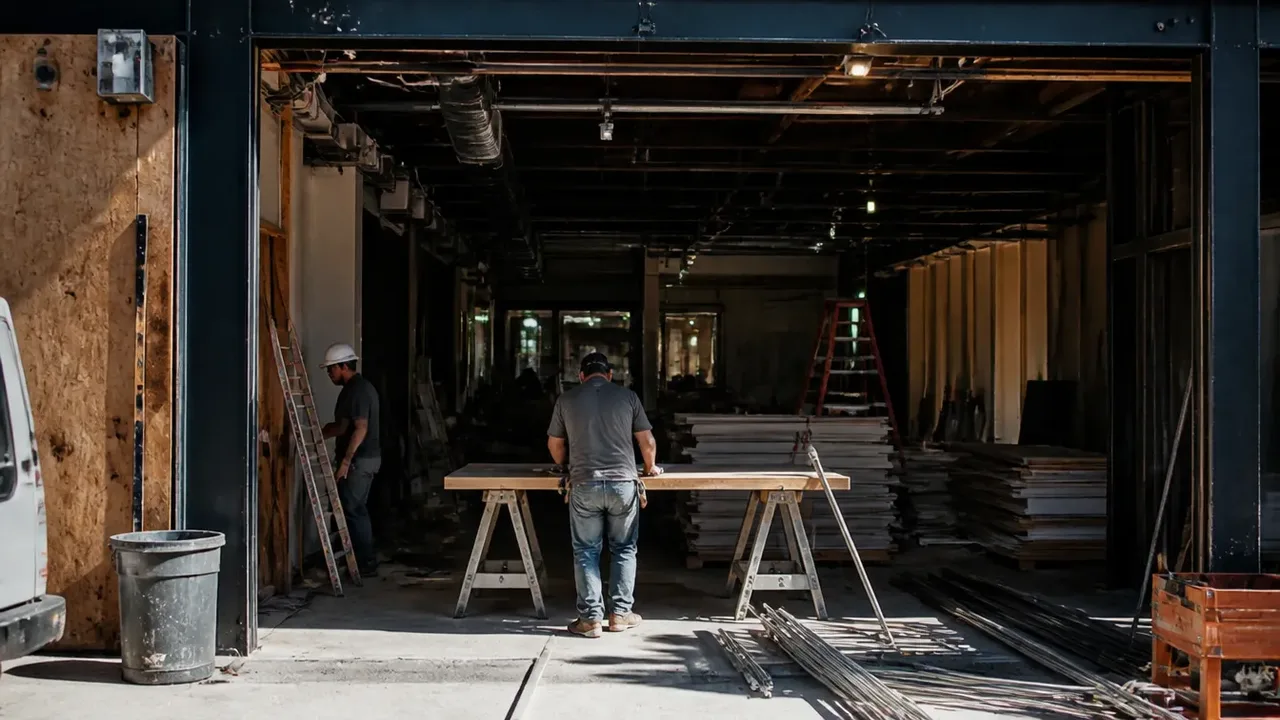
- Burn tracked against progress. The vital sign is not the balance; it is the balance against the risk remaining. A project that has spent half its contingency at ninety percent complete is healthy. The same spend at thirty percent complete is an alarm. Most of the wall-opening, slab-cutting, surprise-generating work is still ahead. Review the ratio at every draw meeting, right beside the payment-application review.
- Replenishment has a trigger. Decide in advance what happens if the reserve runs dry: which scope gets descoped, which upgrades reverse, where new money would come from. Deciding this in month one, calmly, beats deciding it in month five, urgently.
- The remainder has a destiny. Decide early where unspent contingency goes, because well-run projects do finish with some. The seasoned move: it rolls forward into the opening-cash reserve, where it cushions the first slow quarter. The rookie move: it gets "found" in month four and spent on upgrades, right before the last surprise arrives.
How it can unfold
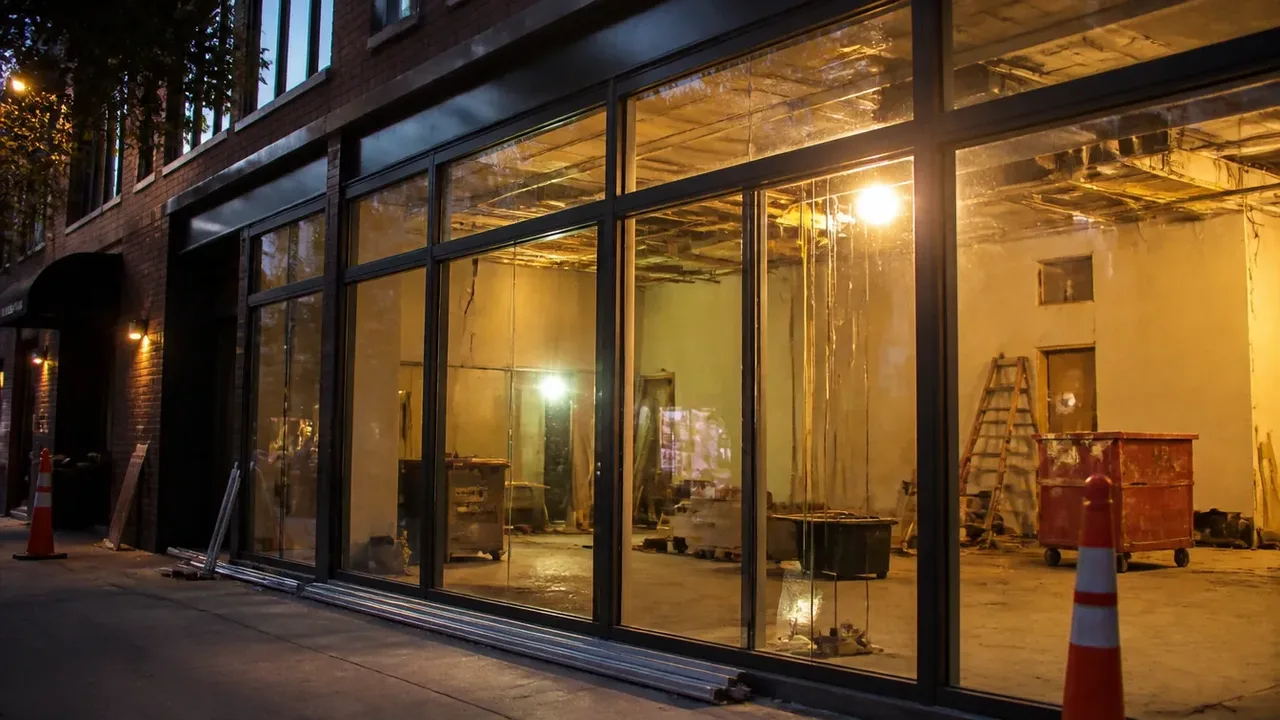
How it can unfold: a partnership budgets contingency, then uses it for discretionary upgrades without a log or approval rule. When concealed conditions require corrective work, the reserve is no longer available. The lesson is to separate scope enhancements from risk contingency and authorize every draw against a named risk or approved change.
The reframe
Contingency is the budget admitting, in advance and in writing, that the estimate is a forecast rather than a fact. Treating it as a plan (sized against named risks, drawn through one gate, logged, read monthly, with a destiny for the remainder) does not make the surprises smaller. It makes them affordable, which was always the actual goal. The cushion gets sat on. The plan gets executed. Same line item, entirely different project.
A closing note on language, because language shapes behavior here more than owners expect. Teams that call the line "the buffer" or "the fudge factor" spend it like one; the words invite it. Teams that call it "the risk reserve," and say "draw" instead of "use," hold it noticeably better, because every draw sounds like what it is: a withdrawal from the project's insurance policy. It costs nothing to rename a spreadsheet row. Among the cheap interventions available to a first-time owner, renaming this one may have the best ratio of effort to outcome on the whole budget.
Reserve, gate, log, ratio, destiny: five words on an index card, and the line item becomes a plan.