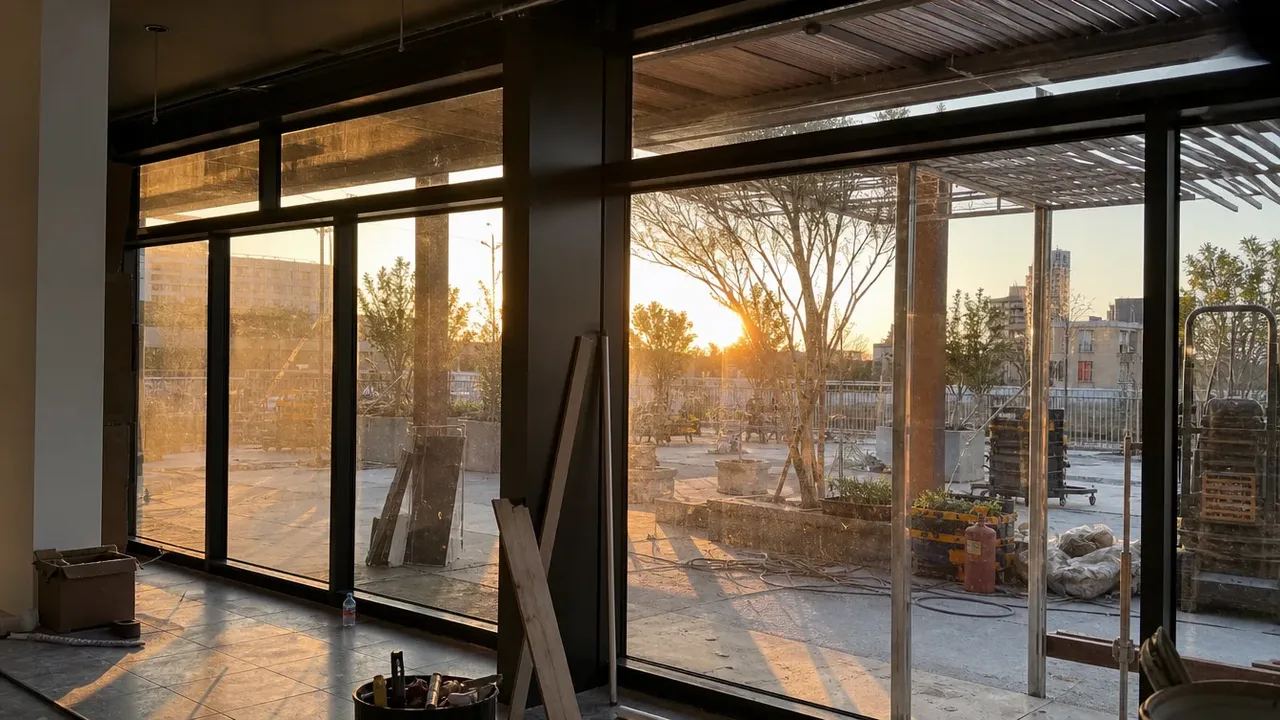
Ask ten consultants what a restaurant build-out costs per square foot and you will get ten confident numbers, all of them useless to you. Costs swing wildly with market, delivered condition of the space, concept, and year. Any specific number you read, including any number you might wish this journal would print, is somebody else's project.
What transfers between projects is not the numbers. It is the structure. A fit-out budget that will survive contact with reality has nine categories, a set of proportions worth sanity-checking, and two lines that first-time owners forget so reliably that their absence is practically a diagnostic for a first-time owner.
A note on the percentages below, because we take fact-discipline seriously: these are planning heuristics: starting proportions to test your draft budget against, drawn from how build-out budgets are commonly structured, not measurements from a dataset. If your project deviates from them, that is not an error. It is a question worth being able to answer.
Separate the first opening from optional later work. The Arizona two-phase furniture package keeps those approvals apart, while the California retained-furniture plan separates existing pieces from the new purchase lines.
The nine categories
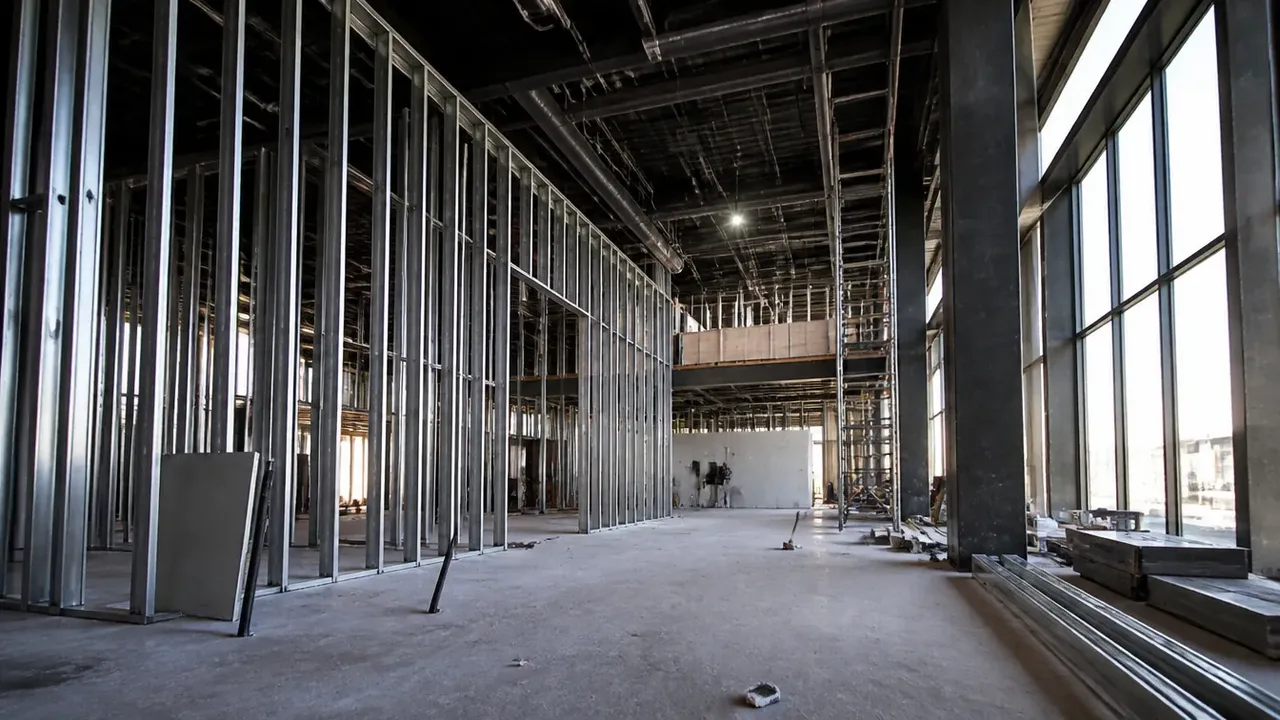
1. Hard construction. Demolition, structure, framing, drywall, mechanical, electrical, plumbing, fire protection, finishes. On most fit-outs this is the biggest line, and a draft budget where hard construction is under half the total deserves a hard look: either the space is in unusually good delivered condition, or something big is hiding in another category, or missing entirely.
2. Kitchen and bar equipment. Hoods, walk-ins, cooklines, dish machines, draft systems. For food-forward concepts this is routinely the second-largest line. It also carries the longest lead times, which is why the equipment package should be finalized absurdly early relative to when it physically arrives: see how lead times ambush opening dates.
3. FF&E: furniture, fixtures, and equipment. Tables, seating, casegoods, decorative lighting, artwork. Persistently underestimated, partly because it arrives last and gets treated as decoration, and partly because nobody agrees on what the term even covers. We wrote a full piece on what FF&E actually means on a construction budget, because where the line gets drawn changes who buys what and out of which pot.
4. Millwork. Bars, banquettes, host stands, shelving, reception desks. Worth splitting from both construction and FF&E because it behaves like neither: custom-fabricated, long-lead, and priced by shop drawings that cannot be finished until design is truly frozen. Millwork is where late design changes go to become expensive.
5. Soft costs. Architecture, engineering, interior design, permits and fees, expediting, legal, insurance during construction. A common planning heuristic runs soft costs somewhere in the mid-single to low-double digits as a percentage of hard construction. Budgets that show almost nothing here have usually just not received the invoices yet.
6. Technology and low voltage. Point of sale, network, cameras, access control, sound, kitchen display systems. Small individually, meaningful in aggregate, and disruptive out of proportion to its cost when it is forgotten, because conduit and backing have to go in while walls are open.
7. Pre-opening operations. Payroll for training weeks, smallwares, initial inventory, uniforms, marketing, opening-team travel. This is forgotten line number one. The build-out budget ends at the certificate of occupancy in the owner's head, but the spending does not stop there. The weeks between substantial completion and real revenue are payroll-heavy and revenue-free. The soft-opening playbook describes exactly what those weeks are buying you.
8. Working capital reserve. Cash to operate on after opening, before the business finds its level. Forgotten line number two, and the more dangerous one: a beautiful room with an empty bank account is a countdown, not a business. Lenders in the SBA loan programs commonly expect to see post-opening working capital in the plan, and they are right to.
9. Contingency. Held separately, visible, and spent only on genuine unknowns, not on upgrades that lost their budget line. A widely used planning posture for renovation work is a contingency in the neighborhood of a tenth of hard costs, adjusted up for older buildings, unknown site conditions, and first-time teams. What matters more than the exact figure is the governance: who can release contingency, for what, with what paper trail.
Proportions, not prices
Once the nine lines have draft numbers, test the shape of the whole:
- If hard construction plus kitchen equipment is not the clear majority of the total, ask what is delivering the space instead.
- If FF&E plus millwork rounds to a token percentage, the interior in the renderings is not the interior in the budget.
- If pre-opening operations and working capital together are near zero, the budget funds a construction project, not a business.
- If contingency is zero, the budget is a wish.
The shape test catches more first-timer disasters than any unit-cost benchmark, because it does not depend on knowing your market's prices. It only depends on arithmetic and honesty.
Where the draft numbers come from
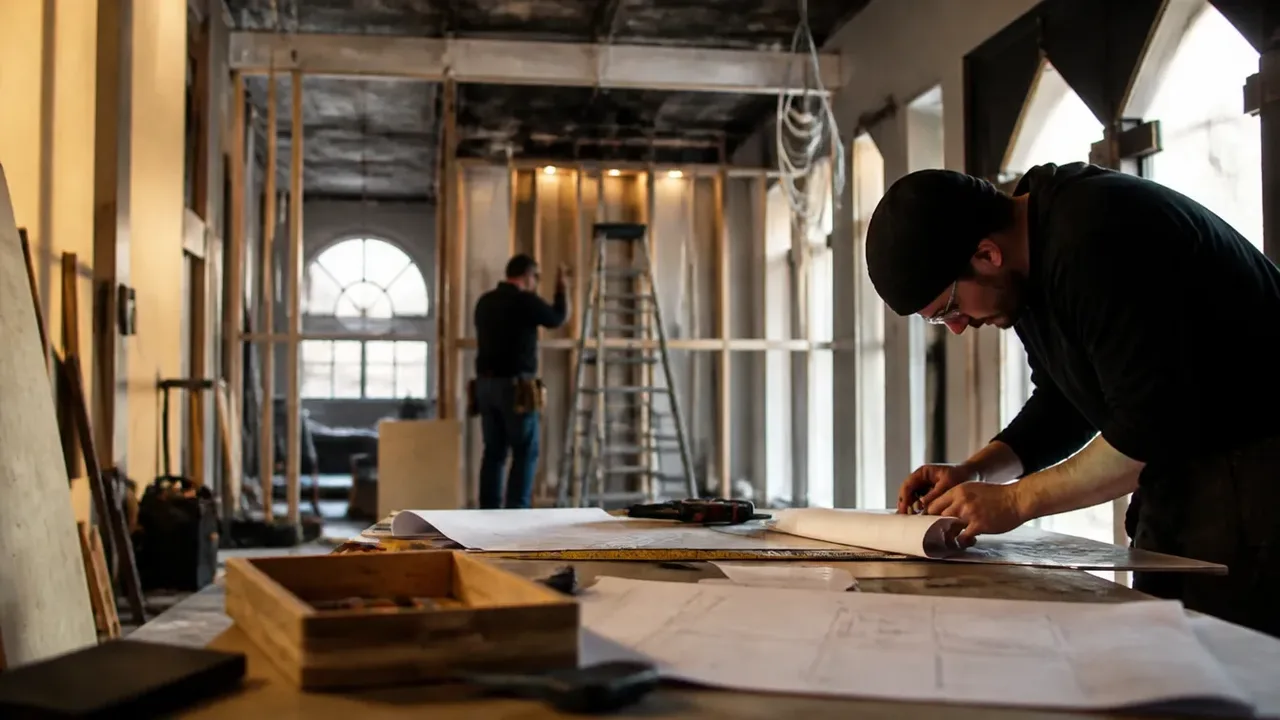
For hard construction: preliminary pricing from a contractor on your actual drawings, however early. Even schematic pricing from a real builder in your market beats any published average. For equipment: dealer quotes against your menu. For FF&E: a line-item list, not an allowance, the moment design development settles. For soft costs: ask your architect for the full consultant roster and fee structure up front. For everything: three quotes where the item is big, one honest quote where it is not worth the delay.
And then the discipline that separates budgets that hold from budgets that decay: re-baseline in writing every month, with the same categories, so drift is visible while it is still cheap. A budget is not a document. It is a monthly meeting with a document in the middle.
The two questions that keep a budget honest
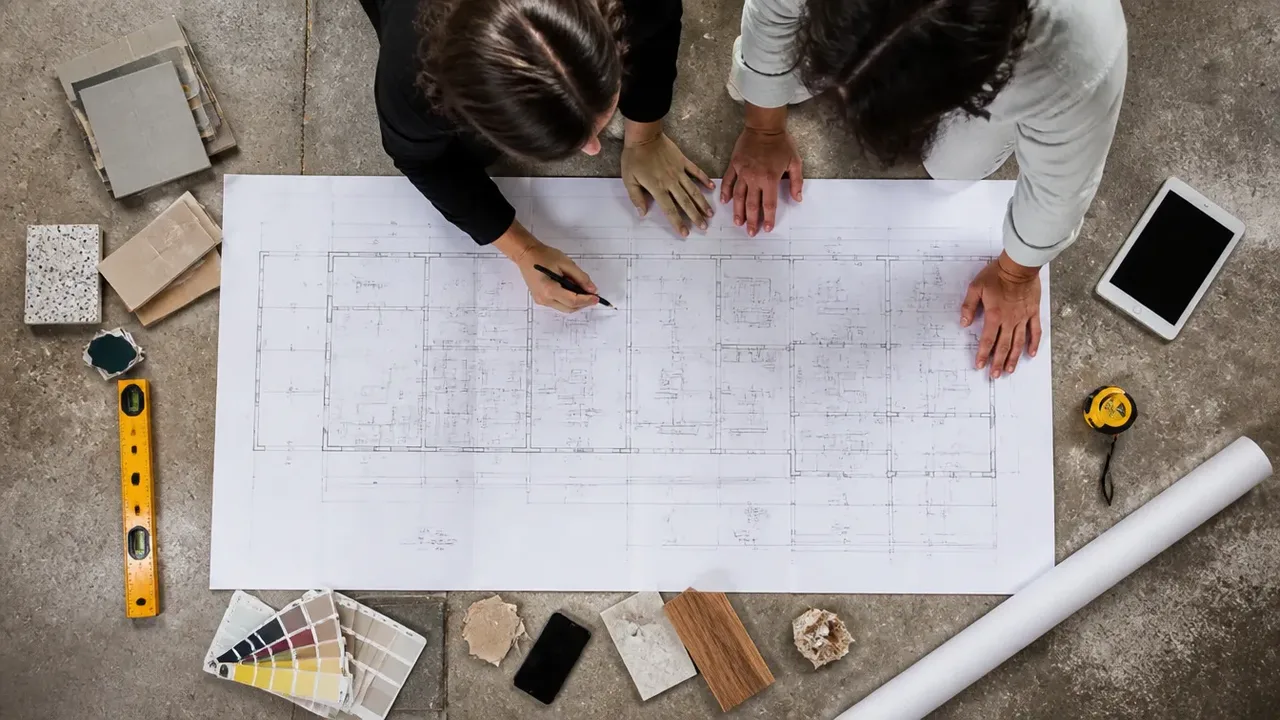
First: what is the source of this number? Every line should be traceable to a quote, a contract, or a named heuristic. Lines whose source is "feels right" are where the overrun lives.
Second: who is allowed to change it? Scope creep in a fit-out rarely arrives as one big decision. It arrives as forty small yeses said on site, none of which passed through the budget. Route every change, every one, through a written change process with a running total. The running total is the entire point: overruns do not announce themselves; they accumulate in silence and announce their sum.
None of this makes a project cheap. It makes a project legible, and legible is what you can manage. The build-outs that end in refinancing and resentment are rarely the ones that cost the most. They are the ones where nobody could say, in any given week, what had been spent and what remained, and by the time the answer arrived, it was a verdict instead of a decision.
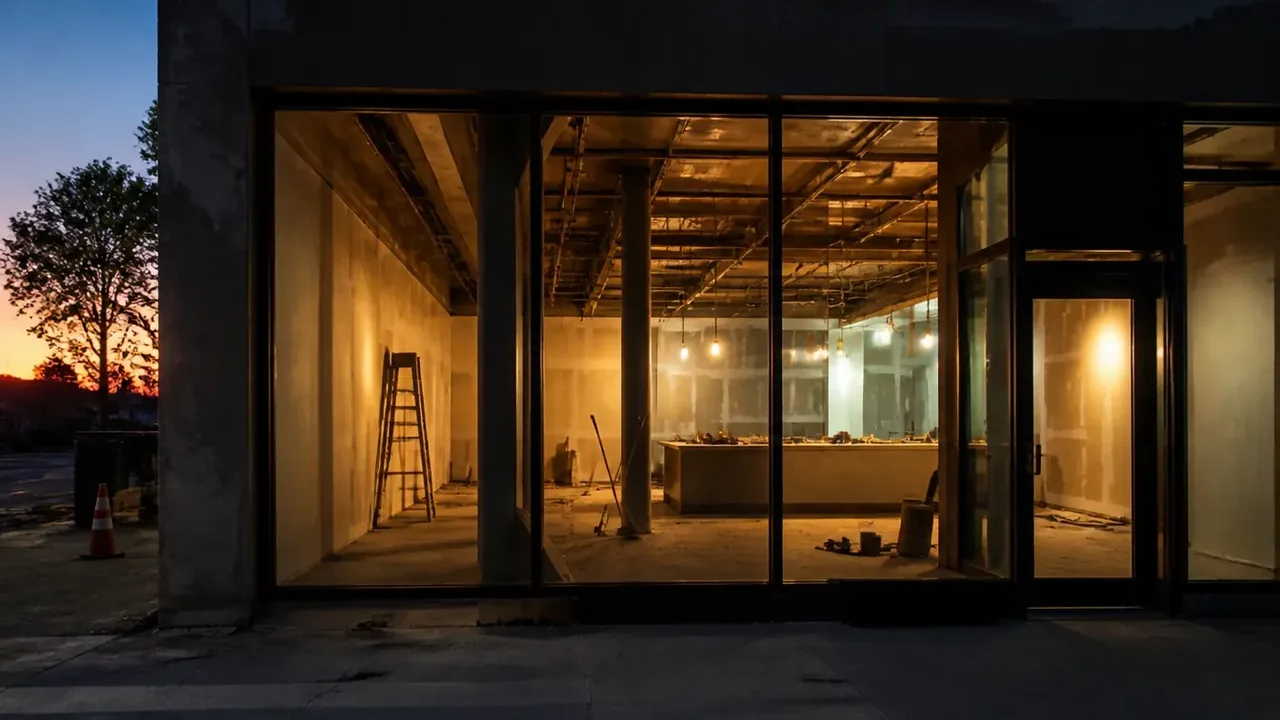
The first meeting with the nine lines
Set up the nine categories tonight, even with placeholder numbers, because the structure finds the holes before the quotes do. That is the practical starting sequence for a reader with a blank spreadsheet. Then book three conversations for the same week: a contractor for a rough hard-cost read on your drawings as they stand, an equipment dealer against your draft menu, and your architect for the full soft-cost roster. You will leave that week with a budget that is wrong in every number and right in every shape, which is precisely the correct condition for a first draft. From there it is a monthly meeting with a document in the middle, exactly as prescribed above, and the shape test, run again every single month, until the day the room opens.