Here is the anatomy of an ambush.
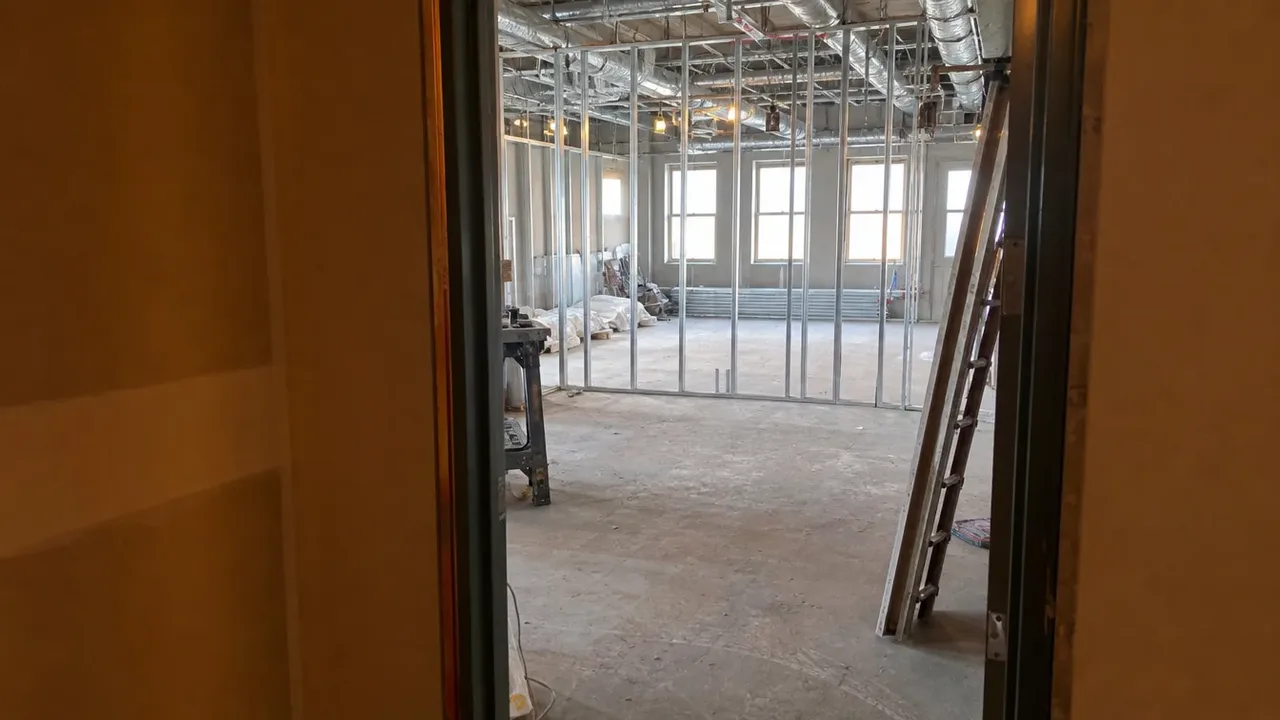
The build-out is going fine. Framing is up, rough-ins passed, drywall is flying. The owner, reasonably, spends these weeks on hiring and menus, because construction is visibly handled. Then, at a routine meeting somewhere past the midpoint, someone asks an innocent question ("when does the hood land?") and the room goes quiet. The hood was never released for production. The submittal sat unapproved in someone's inbox for six weeks. Production has not started, production takes what it takes, and freight comes after that. The opening date does not slip a week. It slips past the season it was built to catch.
Nobody was lazy. Nothing on site went wrong. The date was killed months earlier, by a piece of paper that did not move, and that is what makes lead times the most dangerous force in an opening: they are invisible right up until the week they are fatal.
Connect the purchase sequence to rooms that can actually open. The Colorado room-and-phase schedule gives every furniture line a destination; the Tennessee pilot-room plan checks one complete room before repeating the package.
What a lead time actually is
A lead time is not shipping. It is the full span between deciding and possessing, and it stacks in layers most first-timers have never seen: quote, purchase order, deposit (production rarely starts before money lands), submittals and shop drawings (the approval loop where the vendor documents exactly what they will build and someone on your team must sign) then the production queue, then production, then freight, then receiving. A "twelve-week item" can become a twenty-week item without anything going wrong at the factory, because the first eight weeks of paper were nobody's explicit job.
Notice what that means: much of a lead time is not the vendor's clock. It is yours. Deposits paid promptly, submittals turned around in days instead of weeks, selections frozen instead of revisited: this is lead time you own, and it is free to compress.
The usual suspects
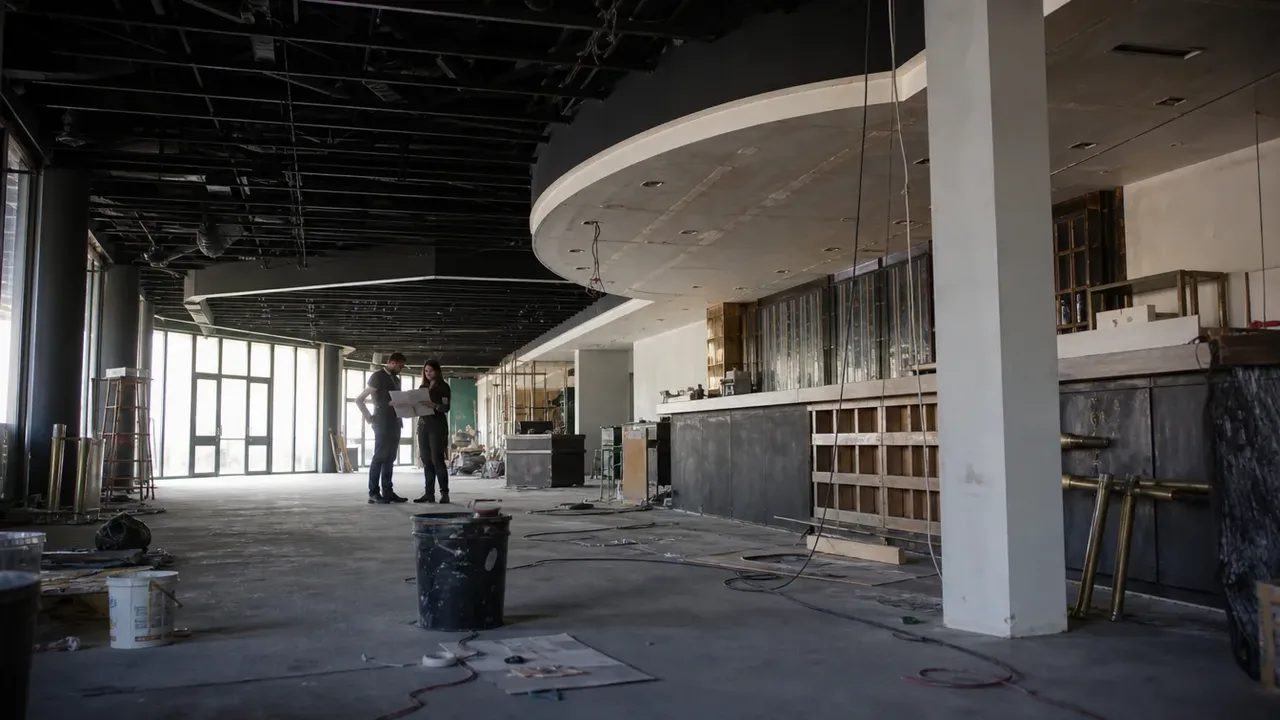
Every project has its own list, but the repeat offenders in hospitality fit-outs are stable enough to name. Kitchen ventilation and refrigeration: hoods, walk-in boxes, and anything custom-fabricated in stainless. HVAC units, which entire commercial construction schedules quietly orbit. Electrical switchgear and panels, a category that has taught many teams the term "released for production" the hard way. Custom millwork (the bar, the banquettes) which cannot even start its clock until design is frozen and shop drawings are approved. Contract furniture, largely made to order once fabric and finish are approved, as covered in our FF&E field guide. Decorative lighting, notorious for small-shop production runs. Doors and door hardware, the classic "nobody thought about it" line. Draft systems, elevators where they apply, and anything, anything, crossing an ocean or a border, where customs adds a layer with its own weather.
The pattern across the list: the longest-lead items are disproportionately the items that other work waits on. A hood is not late alone; it holds hostage the inspection, the ceiling close-in above it, and every finish trade sequenced behind, which is how a delivery becomes a sequencing event, and how one truck's arrival date becomes the project's arrival date.
Why the ambush works on smart people
Three cognitive traps are worth avoiding.
The visibility trap. Construction progress is visible; procurement progress is not. A wall half-framed announces itself. A purchase order half-processed looks identical to one fully processed, silence, until the delivery week arrives and only one of them produces a truck.
The sequence trap. It feels logical to buy things in the order you will use them: build first, buy furniture later. But the calendar may demand the opposite: release approved items according to their required-on-site date and full procurement duration, not simply their installation sequence. Long-lead systems can require commitment before demolition starts, subject to design and permit risk.
The someone-else trap. On a project with an owner, architect, GC, kitchen dealer, and FF&E supplier, every long-lead item plausibly belongs to somebody else's list. Items with two owners have zero owners. The hood that killed the opening above was on three people's radar and no one's tracker.

The defense: a procurement tracker and a buyout meeting
The countermeasure is almost insultingly simple, which may be why so few first projects have it: one spreadsheet, one owner, reviewed weekly. Every item over a lead-time threshold you choose, with columns for quoted lead time, order-by date (computed backwards from need-on-site date), PO issued, deposit paid, submittal approved, production confirmed, ship date, received. The tracker's whole purpose is to make paper-silence visible: to turn "no news" from a comfort into an alarm.
Feed it from a buyout meeting held as soon as your contractor is aboard and drawings are near-final: walk every long-lead item in the job, assign each one a single named owner, and compute every order-by date on the spot. Order-by dates are the output that matters. An opening date is really just the latest order-by date you already missed or did not.
Then verify, monthly, with vendors directly: not "is it on track", a question that invites a pleasant answer, but "what is the current production week, and what do you still need from us." Lead times drift with vendor backlogs and the broader economy; quotes go stale, and a lead time quoted in January is an anecdote by June. Assume drift, ask for re-confirmation in writing, and watch conditions rather than assuming them. The supply-chain stress of recent years taught the whole industry, per the running commentary of bodies like the Associated General Contractors, that procurement complacency is a schedule strategy from a gentler era.
Designing around the problem
Finally, the lever most owners never think to pull: lead time is a design variable. When two fixtures are equally right and one ships from stock, that is not a compromise; it is schedule you bought for free. Good design teams will price lead time alongside dollars if you ask them to, so ask. Standard-run equipment over custom stainless where the menu allows. In-stock fabric over the mill run. A quick-ship table base under the custom top.
The opening date, in the end, is not set by the last trade to finish. It is set by the slowest object you ordered, or forgot to. Build the tracker, hold the buyout meeting, buy in lead-time order, and the ambush becomes what it always should have been: a list of dates, known early, managed weekly, and boring.
The five dates that matter for every item
Strip the tracker to its skeleton and each long-lead item has five dates. The need-on-site date is read off the construction schedule; the order-by date is computed backwards from it using the quoted lead time plus a buffer you choose honestly; the PO-and-deposit date must land on or before order-by; the submittal-approved date is the one most often silently missed; and the confirmed-ship date is re-verified with the vendor monthly in writing. Everything else in procurement management is commentary on those five columns. If you can say, for every item on the job, where it stands against its five dates, you have no ambush exposure. If you cannot, you have an ambush scheduled; you just have not been told the week yet.