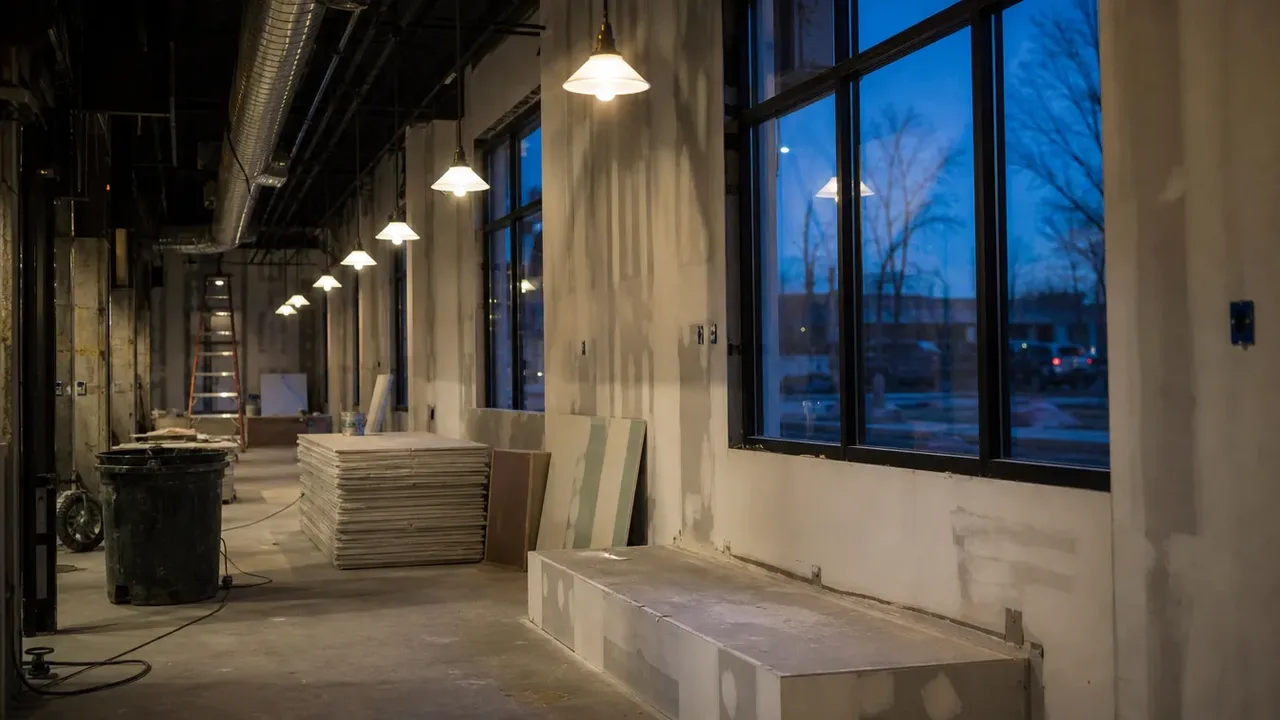
Here are six that will not stop recurring.
Pattern one: the announced date
The shape: an opening date gets announced (on the sign, to the press, at the investor dinner) before the schedule exists to support it. From that moment the project runs backwards from a promise instead of forwards from reality. Phases get compressed in exactly the wrong places: the punch list, the training weeks, the soft opening, the end-of-project phases with no slack behind them, because they are the only things left to cut by the time the truth arrives. The venue opens on the promised date, undertrained and unfinished, and spends its precious first month performing its debugging in public.
The countermeasure is almost embarrassingly simple: announce seasons, not dates, until the certificate of occupancy is in hand. "Opening this fall" costs nothing and buys everything. The date on the sign should be the last decision of the project, not the first.

Pattern two: the missing object
The shape: a single long-lead item (a hood, a walk-in, switchgear, forty chairs) silently fails to get ordered. Its absence surfaces weeks before opening, when nothing can be done but wait. The room is finished, inspected, and empty, burning rent around a hole shaped like one object. We dissected the mechanism in How Lead Times Ambush Opening Dates; it earns its place on this list because it is one of the most common proximate causes of a blown opening date.
What makes the pattern durable is that the missing object always had multiple plausible owners: the kitchen dealer thought the GC had it, the GC thought the owner did. Items with two owners have zero owners. The countermeasure is one procurement tracker, one named owner, reviewed weekly, with silence treated as an alarm rather than a comfort.

Pattern three: the beautiful room that cannot work
The shape: design wins every argument for a year, and then service loses every night forever. The server station that ended up thirty feet from the tables it serves. The gorgeous bar with no place to put a dirty glass. The dish pit sized for the room the concept outgrew two design revisions ago. The lighting that photographs beautifully and makes guests squint at menus. Each decision was small, defensible, and aesthetic; the sum is a room that fights its own staff every shift, and payroll pays for the fight in perpetuity.
The countermeasure is procedural: before drawings freeze, walk the service paths on paper with someone who has actually worked the positions: a borrowed chef, an experienced floor manager, anyone who has carried three plates through a Friday. Trace the dish's full loop: cooked, plated, carried, cleared, scraped, washed, stored. Every crossing and backtrack in that loop is a cost you will pay nightly, and it is erasable now, with a pencil, for free.
Pattern four: the money ran out on schedule
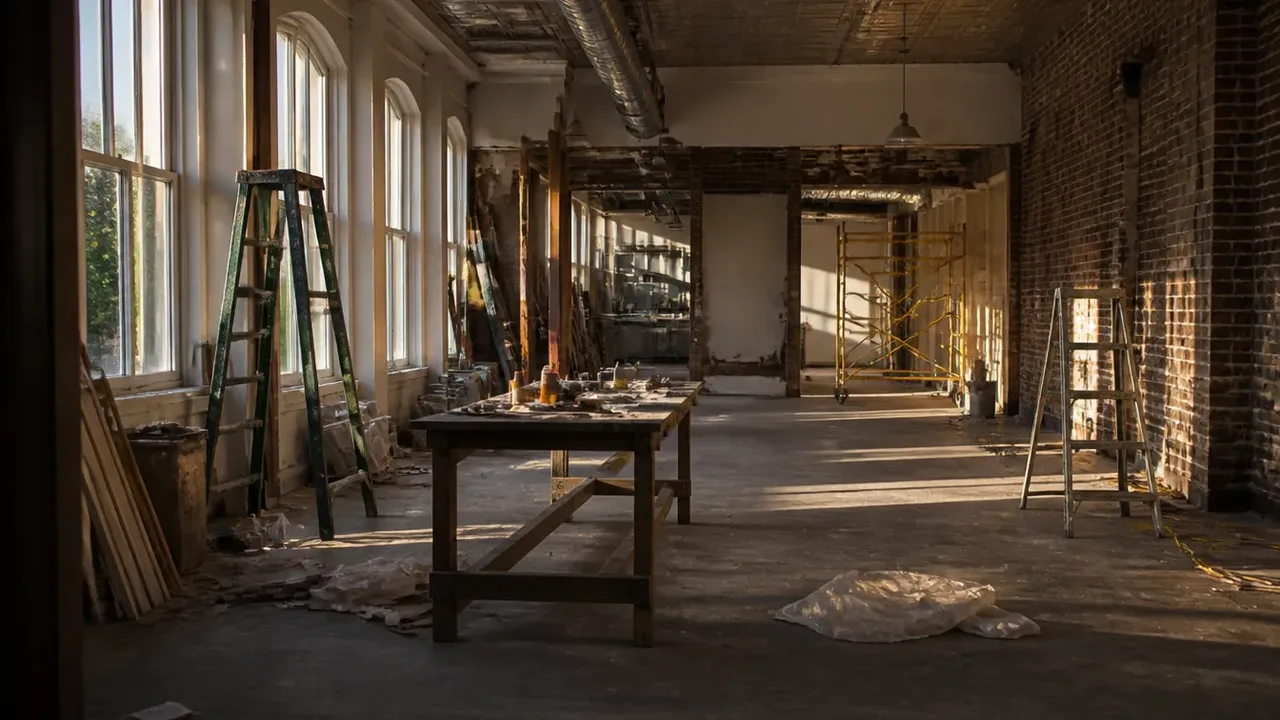
The shape: the project did not overspend the budget. It outspent the calendar. Deposits crested early, draws ran monthly, the landlord's allowance reimbursed slowly against paperwork nobody had read, and the account hit zero with the budget technically intact and six weeks still to go. Trades walked when checks paused, and re-mobilization, because a paused job re-slots behind everyone's paying work, turned a two-week funding gap into a two-month one. Somewhere in there, the opening season quietly left.
The countermeasure gets a full article in Deposits and Draw Schedules: a week-by-week cash calendar with funding sources overlaid, reconciled monthly, so crossing lines show up as financing conversations instead of stopped jobs. And behind it, the budget structure that funds pre-opening payroll and working capital as real lines, because a beautiful room with an empty account is a countdown, not a business.
Pattern five: the phantom approval
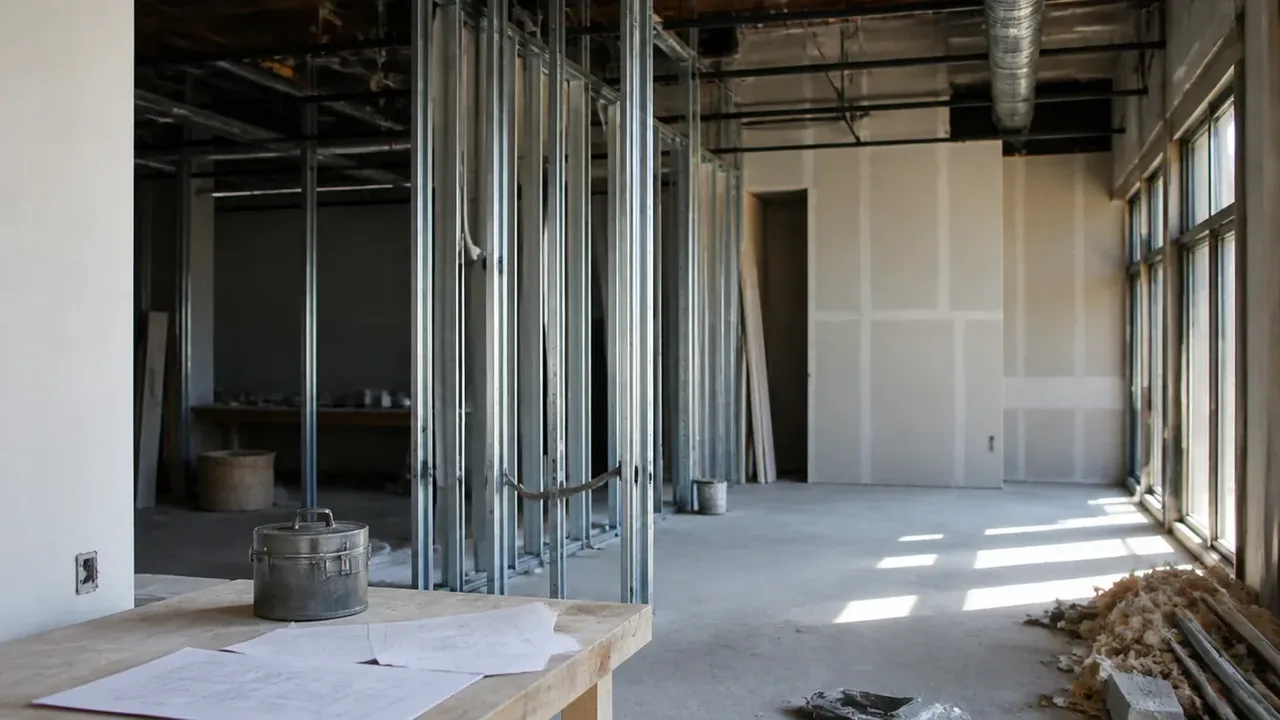
The shape: everyone was sure the approval existed. The change of use was grandfathered, someone said. The patio was fine, the broker implied. The hood variance was verbal, the previous tenant swore. Then, late, always late, because that is when the relevant official finally visits, the paper turns out not to exist, and a process that takes months starts during the week that had none. Zoning, occupancy classification, health, fire, liquor: the domain varies; the shape does not. Verbal is not a permit.
The countermeasure is a documents-in-hand rule from day one of due diligence: every assumption about what the space is allowed to be gets verified against paper from the issuing authority (the actual certificate, the actual permit, the actual license) before the lease binds you to the assumption. Where the model codes of the International Code Council or the local fire authority's adoption of NFPA standards are in play, the building department's counter staff will tell you what applies; the visit is free and the coffee is your only cost. Owners skip it because the answer might be inconvenient. That is precisely the answer worth having early.
Pattern six: the exhausted opener
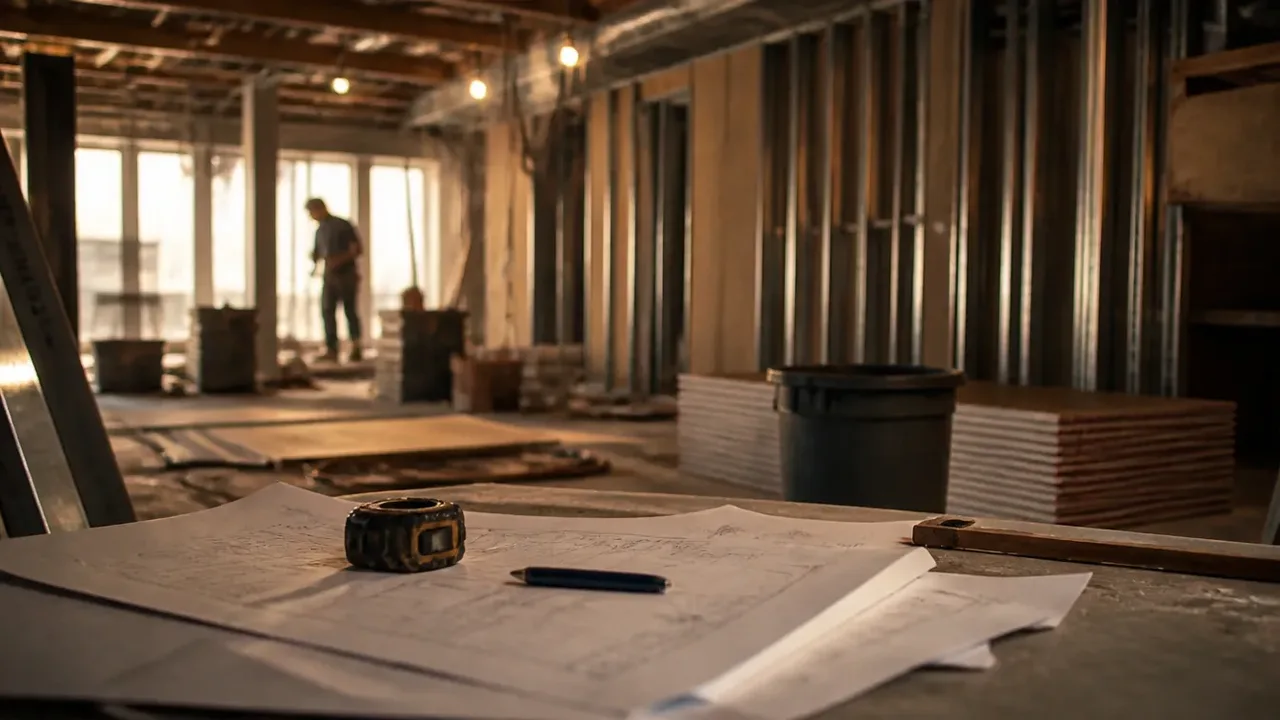
The shape is quieter than the others and underlies most of them: by opening week, the owner is running on fumes exactly when the business needs its founder most. That owner self-managed too much, decided too slowly and then too fast, and slept badly for a year to get there. The opening is not a finish line; it is a starting line that took a year to reach, and the venue's first ninety days are operationally the hardest of its life. Many projects survive construction and then wobble in month two because the person holding the vision has nothing left.
The countermeasure is structural, not motivational: hire the coordination you were tempted to do yourself, fund a real training and soft-opening ramp so opening week is a performance rather than an improvisation, and staff the opening team so that no single person, especially not you, is a single point of failure.
What the six have in common
Read them again and notice what is absent: villains. No lazy crews, no crooked vendors, no doomed concepts. Those exist, but they are rarer than the folklore suggests. The patterns that actually recur are structural: promises made before schedules, objects without owners, rooms designed without service walked, money sequenced without a calendar, assumptions without paper, and founders without reserves. Structure is the good news. Villains you have to get lucky and avoid. Structure you can build, and every article on this site is, one way or another, a piece of that structure.
Using the patterns before they use you
Read the six shapes aloud at your next project meeting, it takes four minutes, and ask the table which one your project is currently closest to. That is the suggestion for putting this piece to work. Every project is closest to one. The answer is rarely comfortable and always useful, because each pattern carries its countermeasure with it: the unannounced date, the owned tracker, the walked service path, the cash calendar, the paper in hand, the founder with reserves. Six structures, each buildable this week, each cheaper than the failure it prevents.