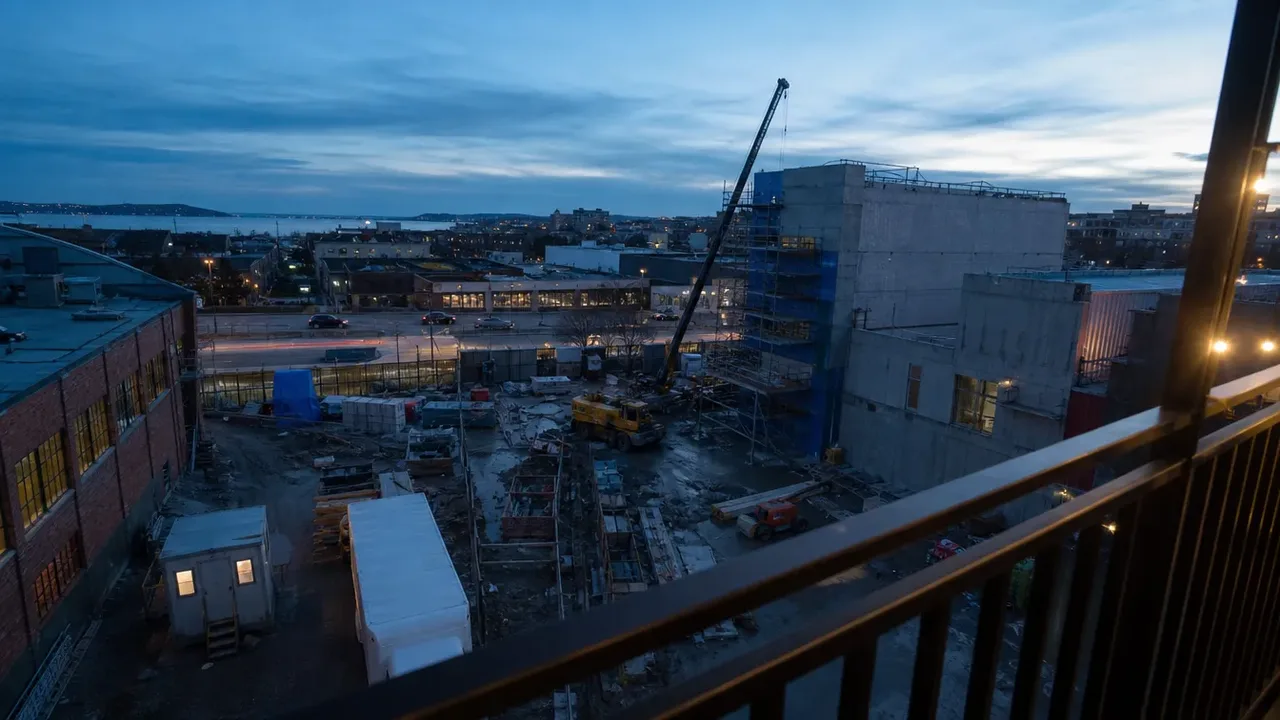
Every owner who has just survived a build-out faces the same temptation, and it arrives dressed as financial prudence: the room is done, the certificate of occupancy is framed, rent is burning: open the doors. Full menu, full hours, tonight.
Resist it. The pattern in the war stories is remarkably consistent: teams that opened cold spent their first month doing, in public, at full price, in front of the only first impressions they will ever get, the debugging that a soft opening does in private. The soft opening is not a luxury phase for funded projects. It is the cheapest insurance in hospitality, and this is the playbook for running one on purpose.
What the ramp is actually for
Strip the champagne out of it and the ramp between construction and grand opening exists to answer four questions while the stakes are still low:
- Do the systems work at load (kitchen, POS, HVAC, hot water, ticket flow) not at walkthrough, at load?
- Does the team know the material: menu, steps of service, allergen handling, the answer to "what is in this?"
- Does the product survive volume: can the kitchen execute item forty of the night to the standard of item four?
- Does the math hold: do ticket times, station layouts, and pars survive contact with real bodies in real chairs?
Every element of the playbook below is just one of those questions wearing a schedule.
Phase one: training days
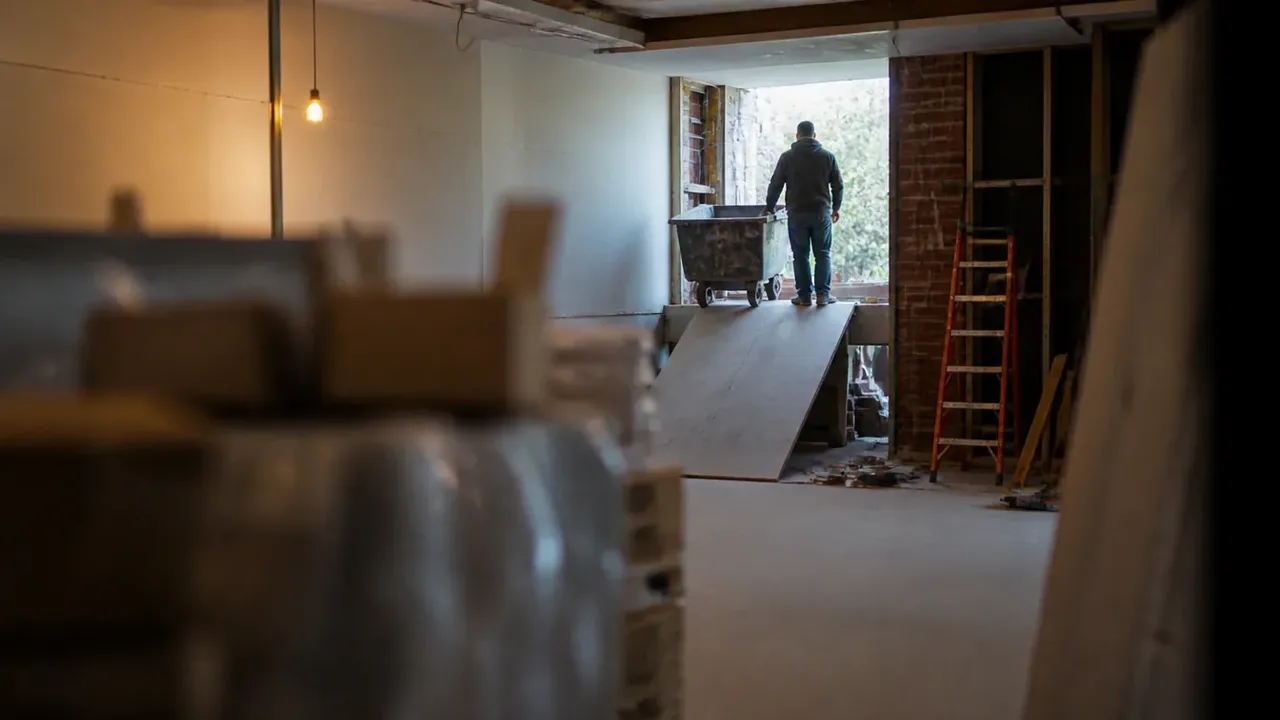
Before anyone serves anyone, the team learns the building and the material. Systems training first: every server through the POS until it is boring, every cook through the line's quirks, everyone through where the water shutoff and the breaker panel live, because someone will need both in month one. Then menu school: tastings of everything, spec sheets, the story behind the dishes (guests ask), and allergen protocols treated as the safety system they are. Food-safety certification for the relevant staff should already be done. Health authorities on both sides of the border expect trained food handlers, with US requirements typically tracing to the FDA Food Code as adopted locally, and provincial regimes covering the same ground in Canada. Front-of-house workplace safety is not decoration either; OSHA in the US and CCOHS in Canada both publish practical restaurant-relevant material worth building the orientation around.
Two disciplines make training days count. Run them in service order. A full day is a shift, opened and closed, sidework and all, even with no guests. And write the answers down as you go: every question a trainee asks is a line your future operations manual was missing.
Phase two: dry runs
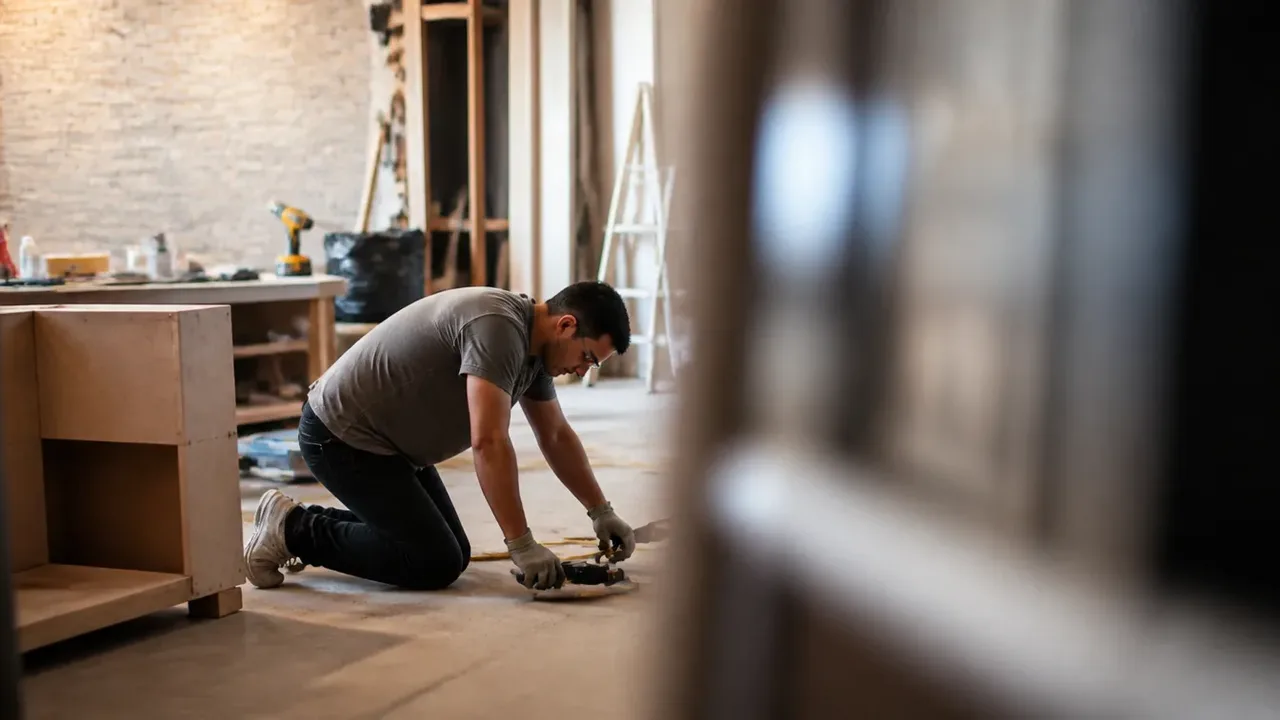
Now simulate. Staff and stand-ins as guests, full service sequence, fake covers on a printed seating plan, real food, real fire, real dish pit. The kitchen cooks the actual menu at escalating volume across successive runs; the floor runs real steps of service against a script of engineered problems: the deliberate wrong order, the invented allergy, the party that grows by two at the door. It feels theatrical. It is theatrical. It is also the only place these failures are free.
The non-negotiable that first-timers skip: the debrief. Every dry run ends with the whole team and a list: what broke, who owns the fix, retest when. A dry run without a debrief is a dress rehearsal for a show nobody is directing. Expect the first run to be rough; that roughness is the phase working, not failing.
For hotels, rehearse a complete room cycle
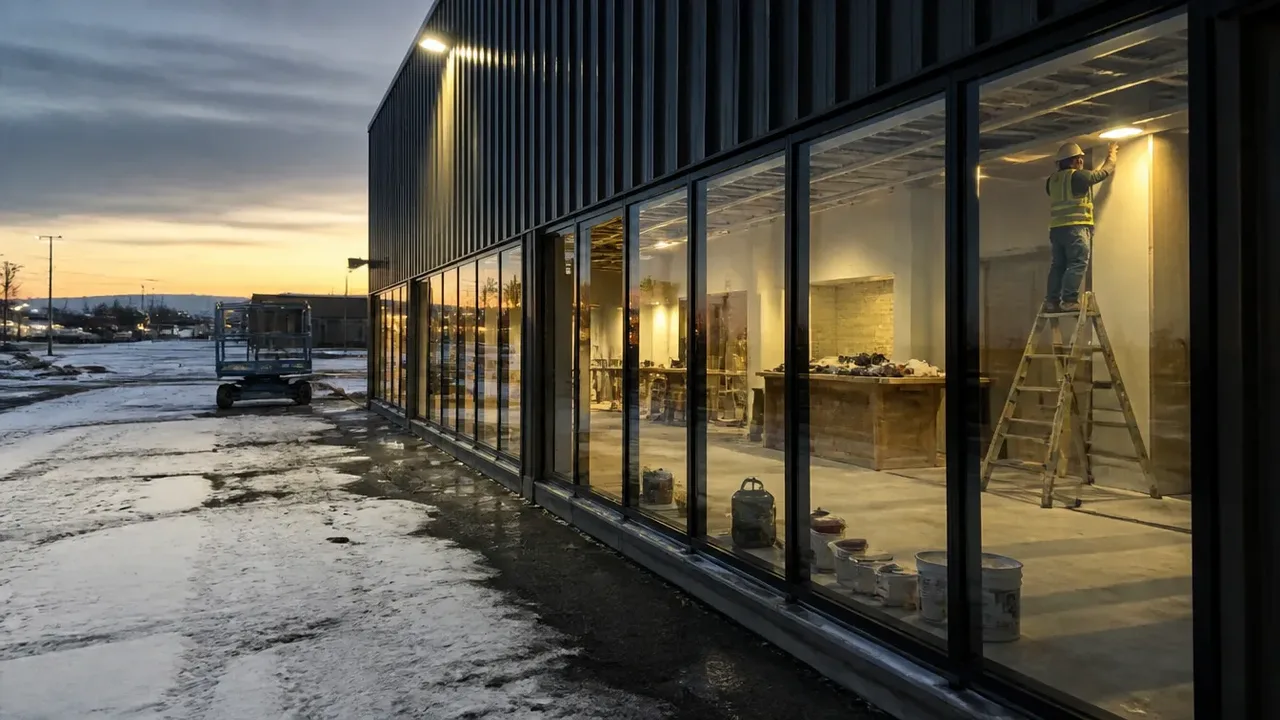
A finished bedroom still has to work as an operating room. Take a small, explicitly identified group of rooms through reservation, arrival, overnight use, housekeeping and return to inventory. Hotel operators publish departmental soft-opening checklists because a successful reception interaction alone does not test the rest of the stay. County Hotels soft-opening checklist
For an illustrative 36-room hotel, choose six trial rooms spanning the layouts and systems you need to evaluate. Six is a planning choice, not a recommended percentage. Include the approved accessible-room workflow in the exercise; confirm arrangements with the people responsible for accessibility and operations.
- Reservation and arrival: Correct room assignment, access and guest information
- Overnight operation: Reported lighting, temperature, hot-water and noise issues
- Service request: Owner assigned, response recorded and completion checked
- Housekeeping turnover: Furniture usable, inventory complete and defects logged
- Return to sale: Named manager accepts the room or keeps it unavailable
Maintain one room-release register: room number, defect, operational consequence, owner, due date and recheck result. A blocked room stays out of sale until its release conditions are met. Keep cosmetic follow-up separate from conditions that prevent the room being used safely or as promised.
A trial does not replace required occupancy authorization. For example, New York City's Department of Buildings distinguishes a final certificate from temporary authorization and its outstanding conditions. Confirm the applicable authorization for your location before admitting trial occupants. NYC occupancy guidance
End the drill with a handoff to the next shift. Unresolved faults need an owner after the opening team goes home.
Phase three: friends and family
First real guests, zero real stakes. Invited crowds (investors, trades who built the room, neighbors, staff families) are served the real experience, ideally free or steeply discounted, with feedback explicitly requested and cheerfully absorbed. Two mechanics matter. Cap the covers below what the room can theoretically do, then step the cap up night over night: load testing, not celebrating. And instrument the nights: ticket times pulled from the POS, a manager tracking where the floor stacked up, a short feedback card or QR form that asks three questions instead of twenty.
This is also where the FF&E decisions meet their jury: the barstool that wobbles, the banquette sightline into the dish pit, the light level that photographs like an interrogation. Cheap to adjust this week. Expensive to read about in reviews next month.
Phase four: the soft open proper
Paying guests, constrained scope. The constraint takes whatever form fits the concept (limited menu, limited hours, limited covers, reservation-only, unadvertised) but the principle is fixed: grow the load deliberately, and keep slack in the system while you are still learning what breaks. Extend hours before menu, or menu before hours, one variable at a time, the way you would tune anything.
Expect the operational reality nobody puts in the pro forma: pars are guesses until real demand calibrates them, so you will over-prep some items and eighty-six others, and both are tuition. Keep the daily manager log (sales mix, ticket times, staffing against actual need, what ran out, what dragged) because the soft open's entire yield is that log. Groups like the National Restaurant Association and Restaurants Canada publish operational benchmarks and opening-checklist material that pair well with your own numbers once you have some.
One warning: do not let the soft open become the opening. Its purpose is to end. Set exit criteria in advance (ticket times stable at target volume, complaint rate falling, pars holding for a full week) and when the criteria are met, declare it done and go loud.
The grand opening is a marketing event, not an operational one
By opening night, nothing operational should be new. That is the entire strategy in one sentence. The grand opening exists for press, for the neighborhood, for the story. The machine underneath it was proven quietly, in the preceding weeks, on friendly crowds and constrained services.
And because the budget article already warned you: this whole ramp is payroll before revenue, and it only happens if it was funded on purpose, months earlier, as a line item, not scavenged from contingency in the final week. The teams that budget the ramp get to run it. The teams that do not get to improvise it, at full price, in public. The room deserves better than that, and so does the year you spent building it.
The ramp on one page
The sequence, compressed for the reader taping it to the office wall: training days run in service order, answers written down as the manual assembles itself. Dry runs follow, with engineered problems and a debrief after every one. Friends-and-family nights come next, with capped covers stepping upward and every service instrumented, then a soft open constrained on one variable at a time, with a daily manager log doing the learning. Exit criteria are set in advance and honored when met, and a grand opening follows at which nothing operational is new. Fund it as a line item from the first budget draft, staff it so no one person is a single point of failure, and the scariest month in hospitality becomes what it was always supposed to be: a shakedown cruise you ran on purpose, in calm water, before the paying weather arrived.