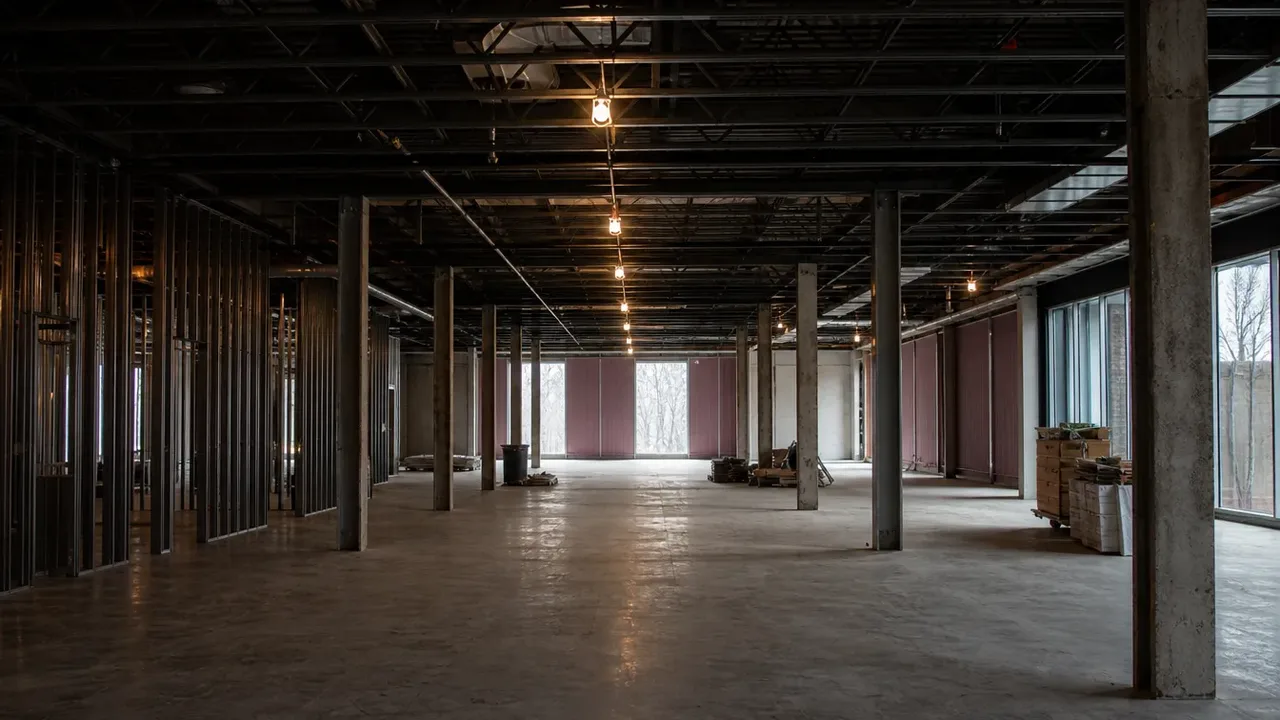
Every pattern in this journal's files (the lead-time ambushes, the inspection loops, the license clocks, the decision drift) converges on one public moment: the announced opening date. And the announced date is unique among schedule items in one way that deserves more respect than it gets: it is voluntary. No lender requires it, no permit demands it, no contract binds it. The project chooses to be publicly judged on the least reliable number it possesses, the far end of a chain of estimates this journal has spent fifty articles showing to be soft, and it makes that choice, usually, months early, in a burst of enthusiasm, on social media, where the date will outlive every subsequent revision.
This is a patterns piece on announcement discipline: why the public date fails so reliably, and what the venues that debut well announce instead.
Why the public date is structurally doomed
The private schedule and the public announcement have opposite error tolerances. Internally, a date is a coordination tool: it can move weekly, everyone adjusts, movement is the system working: the look-ahead doing its job. Publicly, a date is a promise: it can move zero times before it starts costing credibility, and its audience (press with print deadlines, guests making plans, the new hires who built start dates around it) retains the original long after the correction. So the announcement takes the number with the widest error bars in the whole project and assigns it to the audience with the narrowest tolerance. The wonder is not that announced dates slip; it is that anyone expects otherwise.
And the slips are asymmetric in cost. An internal slip costs money: payroll weeks, float, goodwill among the team. A public slip costs the debut itself: the reservation-book of people who tried once at a papered door; the press item that ran on the original date and will not run twice; the drumbeat of "still not open?" that converts anticipation, the scarcest asset a new venue has, into mild ambient doubt. the planning framework's grimmest version is the venue that opened on its announced date to protect the announcement, absorbing the compressed-training pattern and spending its debut month documenting its own unreadiness in permanent reviews. The date was kept. Everything the date existed for was not.
The season strategy
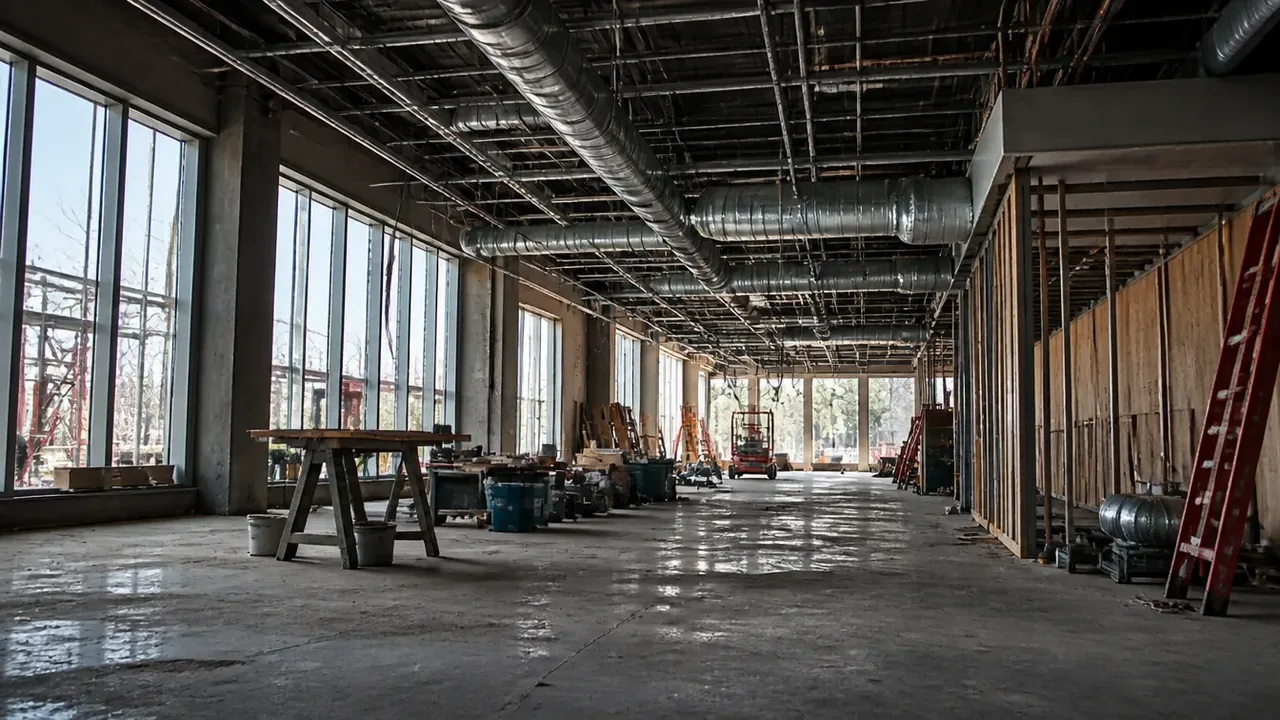
The discipline that recurs among seasoned openers is almost embarrassingly simple: announce with precision proportional to certainty. Far out, announce the project (the concept, the neighborhood, the team, the story) with no calendar at all. Closer, announce a season: "opening this fall" costs nothing when fall means November instead of September, and reads identically to the audience. Announce a month only when the certificate-of-occupancy chain is substantially behind you and the training block is protected on the calendar. Announce a date last of all, weeks out, not months, when the remaining risk is operational polish rather than construction, inspection, or license. The public, it turns out, does not want a date any earlier than that; it wants a story, and the story tolerates, even enjoys, a little vagueness. Scarcity of information, honestly maintained, reads as confidence. A parade of revised dates reads as what it is.
The strategy has an internal counterpart: the private date and the public season are different documents, and the team must know which one they are quoting. A proud contractor, a hopeful bartender, and an owner's enthusiastic aunt can each publish a different date: all sincere, all premature. Announcement discipline is a team policy with one voice, not a marketing preference.

Spending the debut once
A venue opens once, and the attention available for that once (local press, industry curiosity, the neighborhood's benefit of the doubt, the algorithmic novelty bump) is a nonrenewable resource. That is the asset beneath the tactics this piece is actually about. Every mechanism in this journal that moves an opening: the hood on a truck, the COM fabric in a mill queue, the electrician's remobilization, is, from the announcement's perspective, a reason the debut might be spent on a room that is not ready to convert attention into regulars. The season strategy is how the debut gets spent on purpose: attention summoned only when the venue underneath it is rehearsed, stocked, licensed, and calm: the state the whole soft-opening playbook exists to produce.
How it can unfold: two venues on the same street, same season. One announces a date in month two, revises it three times, and opens, on the fourth date, to an audience whose anticipation had curdled into a running joke; its room was eventually excellent, and its first-year story was about the delays anyway. The other announces a neighborhood and a story, then a season, then, eleven days out, everything passed, team rehearsed, a date it keeps. Same street, similar rooms, similar slips behind the curtain. One project let the public watch its schedule; the other let the public see only its readiness. The construction schedules were never the difference. The announcement discipline was.
Say the season out loud and keep the date to yourself, until the only thing left between you and the guests is the lock on the door.

The objections, answered
Two pushbacks arrive whenever this doctrine is proposed, and both deserve straight answers. "We need the date for momentum: hiring, investors, press lead times." The internal audiences genuinely need dates, and they should have them, privately, with error bars, updated honestly. The press needs lead time, and gets it: outlets are perfectly accustomed to embargoes and to "late October" as a booking basis; what they punish is not vagueness but revision. Nothing about announcement discipline withholds information from anyone who needs it to plan. It withholds false precision from the one audience that cannot absorb a correction. "Our landlord / brand / investor requires an announced date." Then the requirement deserves the same negotiation as any other term: what they almost always need is a committed internal milestone and evidence of progress, not a public tweet. And the distinction, once explained in these terms, is usually accepted, because a publicly missed date embarrasses their name too.
The last word belongs to the asymmetry. Announcing late costs almost nothing: the same story, told a little later, to an audience whose appetite vagueness preserved. Announcing early and missing costs the debut. When one side of a bet is a rounding error and the other is the most valuable month of the venue's life, the discipline is not caution. It is just arithmetic, wearing patience.
Season first, month when the inspections say so, date when the room is already ready: precision earned, never promised. That is the whole pattern, and the venues that follow it get to spend their one debut on a room that deserves it.
Anticipation is inventory. Announcement discipline is simply refusing to sell it before the shelves are stocked. And like every inventory rule in this journal, it costs a sentence to adopt and a debut to ignore.