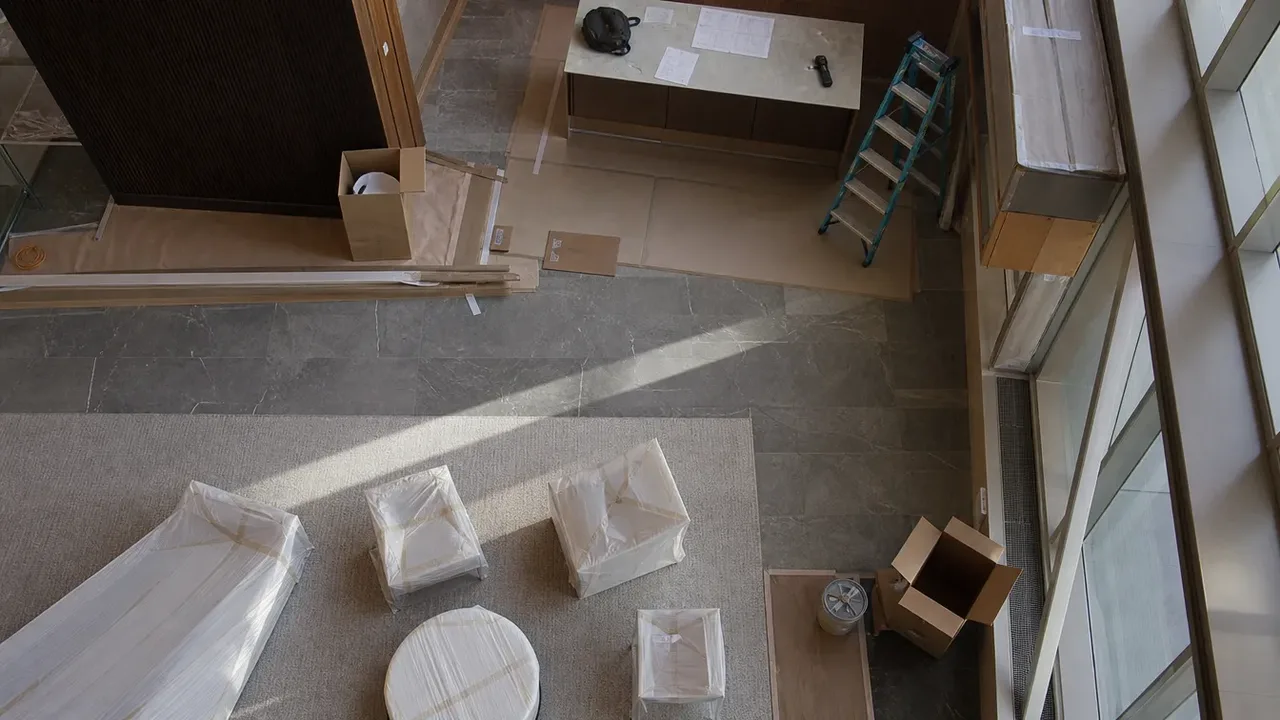
A furniture package is not fully handed over when the last carton leaves. Operations needs to identify the pieces now in the rooms, care for their actual materials, find compatible parts and reach the right person when something fails. A quotation folder alone cannot answer those questions, especially after substitutions or room changes.
Give the operating team a record of the installed package and a practical introduction to using it. The method below concerns furniture and its supporting records. Construction acceptance, building-system commissioning and permission to occupy remain with the people and procedures responsible for those decisions.
Start with what is installed
Name an operations recipient and a supplier or project contact who can resolve missing information. Arrange the handover before the installation team leaves, with the current item list available. On a phased opening, identify the rooms and pieces included in each transfer rather than signing for an indistinct “complete package.”
Walk those rooms against the final allocation list. Record the manufacturer and model where known, item ID, dimensions or variant, finish and upholstery reference, and actual destination. A substituted drawer unit belongs in the record as the substituted unit, with its approval reference. Keeping the original model in the file makes later parts enquiries ambiguous.
Separate the record of installed furniture from the record of accepted condition. A piece can be in its intended room and still have a damaged top, missing hardware or incomplete installation. Keep the finding linked to the affected item, room and responsible contact. The receiving and installation guide covers the earlier delivery records; retain those alongside the handover file.

Organize the file around an item someone can find
Use the same item IDs throughout the final schedule, supplier documents and operating records. One specification may serve several rooms, so store the shared documents once and link the room assignments to them. Keep approved spares separate from installed quantities.
For each furniture specification, collect:
- Identity: the final model or supplier reference, finish and fabric details, approved drawing where relevant, and a photograph that helps staff distinguish variants.
- Location: room numbers or areas, quantity installed and any exceptions to the repeated room package.
- Care: the instructions for the actual surface and upholstery, including product-specific restrictions. Identify who supplied the instructions and which version applies.
- Use and adjustment: operating instructions for moving, folding, adjustable or powered features where present. Include installation information the maintenance team needs without substituting it for qualified work.
- Support: purchasing contact, supplier support contact, order reference, applicable warranty documents and the information required when reporting a fault.
- Parts and spares: identifiable replacement components, approved spare materials, storage location and the person responsible for the stock.
Test the file from the operating team's perspective. Can someone standing beside a desk find its care instructions without knowing which purchase order bought it? Can the maintenance lead distinguish two visually similar drawer slides? Where a part is not identified, leave a named enquiry open rather than supplying an assumed substitute.
Put the actual warranty dates in the record
Read the warranty terms for each installed product rather than starting every furniture warranty at opening day. Retain the evidence for the event that starts each period. Bernhardt Hospitality's casegoods and upholstery warranty, for example, states periods running from shipment and distinguishes product and component categories. Its terms also specify written claims.
Record the controlling date, document supporting it, applicable coverage and reporting route beside the item. Delivery and installation dates can remain useful even when neither starts the warranty. If the terms or dates are unclear, ask the purchasing or supplier contact to resolve them in writing.
Keep delivery damage, installation findings and later service faults traceable to their own records. They may involve different parties and processes. A handover signature should not silently mark an unresolved supplier matter closed; follow the actual project agreement for acceptance and outstanding work.

Demonstrate the furniture staff will operate
Plan demonstrations around the pieces that need them: folding tables, adjustable seating, sleeper mechanisms or other moving features actually installed. Ask the supplier or qualified installer to explain normal operation, the intended handling method, and when staff should stop using a piece and report a problem. Use the product's instructions rather than a generic demonstration remembered from another property.
Include the people who will move, clean and maintain the furniture. Have them locate the instructions and describe the reporting route. Record which items were covered, who attended and any unanswered questions. Where recording is permitted, a short labelled demonstration can support later training; keep the written instructions as the governing reference.
The Whole Building Design Guide's commissioning documentation guidance connects operating documentation with staff training and retained issue records. Use that organizing principle for the furniture handover: keep the installed product’s instructions beside the demonstration and record unanswered questions in the handover file.
Give cleaning and spare stock their own handoff
Send the relevant care information to housekeeping, not only to the project folder. Bernhardt Hospitality's care guidance calls for fabric-specific instructions and testing a treatment in an inconspicuous area. The useful handover result is a routine tied to the installed upholstery and finish, rather than one cleaning method assumed to suit the whole room.
Show staff where approved spare glides, pulls, fabric or other components are stored. Label them with the furniture item or specification they serve. Record the starting quantity and how withdrawals will be logged. A spare-stock box with no relationship to the room list can be difficult to use even when it contains the right part.

Transfer open items with an owner
Create a short handover exception list: the affected item and room, missing information or work, responsible party, next action, and date for the next response. Distinguish “manual requested” from “manual received and matched to the installed model.” Distinguish “replacement promised” from “replacement fitted and checked.”
Have the recipient confirm what they have received and what remains open. Agree where subsequent supplier answers will be filed and who will update the installed record. Keep the earlier versions so a changed component or finish can be traced without reconstructing the opening emails.
After the first operating period, review the questions staff actually raised. Add missing part references, clarify handling instructions and correct room assignments. The handover is useful when the next shift can identify a piece, follow its care instructions and report a fault without relying on a person who has left the project.