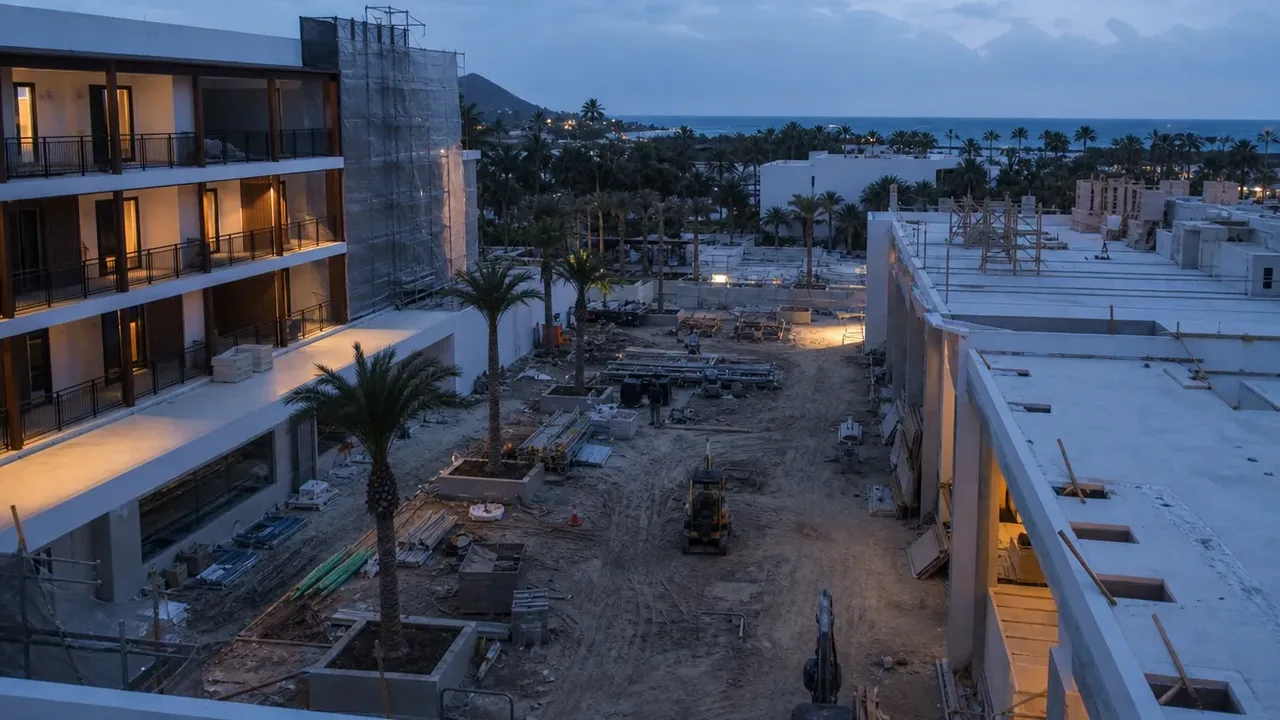
Every first-time owner learns the acronym the same way: mid-meeting, from a lender or an architect who says "that is FF&E, it is not in our number", and suddenly a five-figure or six-figure category exists that was, until that sentence, in nobody's number.
FF&E stands for furniture, fixtures, and equipment. The definition sounds simple. The boundary is anything but, and the boundary is where budgets go wrong. This piece is the working map: what the term covers, where the disputes live, who buys what, and the handful of procurement habits that keep the category from becoming the last, worst surprise of your build-out.
Turn the FF&E allowance into a room list before discussing a total package. The Texas mixed-room schedule brings different room types together; the New Jersey inclusion checklist makes the keep, replace and supply decisions explicit.
The working definition
FF&E is the movable layer of your project. It is the things that make an empty finished room into an operating one, and that could, in principle, be unbolted and taken to another building. Dining chairs and barstools. Tables and table bases. Booths and freestanding banquettes. Guest-room casegoods, beds, and seating in a hotel. Decorative lighting. Artwork and mirrors. Window treatments. Shelving that is not built in. Office furniture. In most deals it also carries the operating small stuff by adjacency: smallwares, in a companion acronym, become OS&E (operating supplies and equipment) and hotels in particular budget the two as siblings.
The cleanest mental test: if the building sold tomorrow, what would the seller be entitled to load on a truck? That truckload is roughly your FF&E.
The three boundary disputes
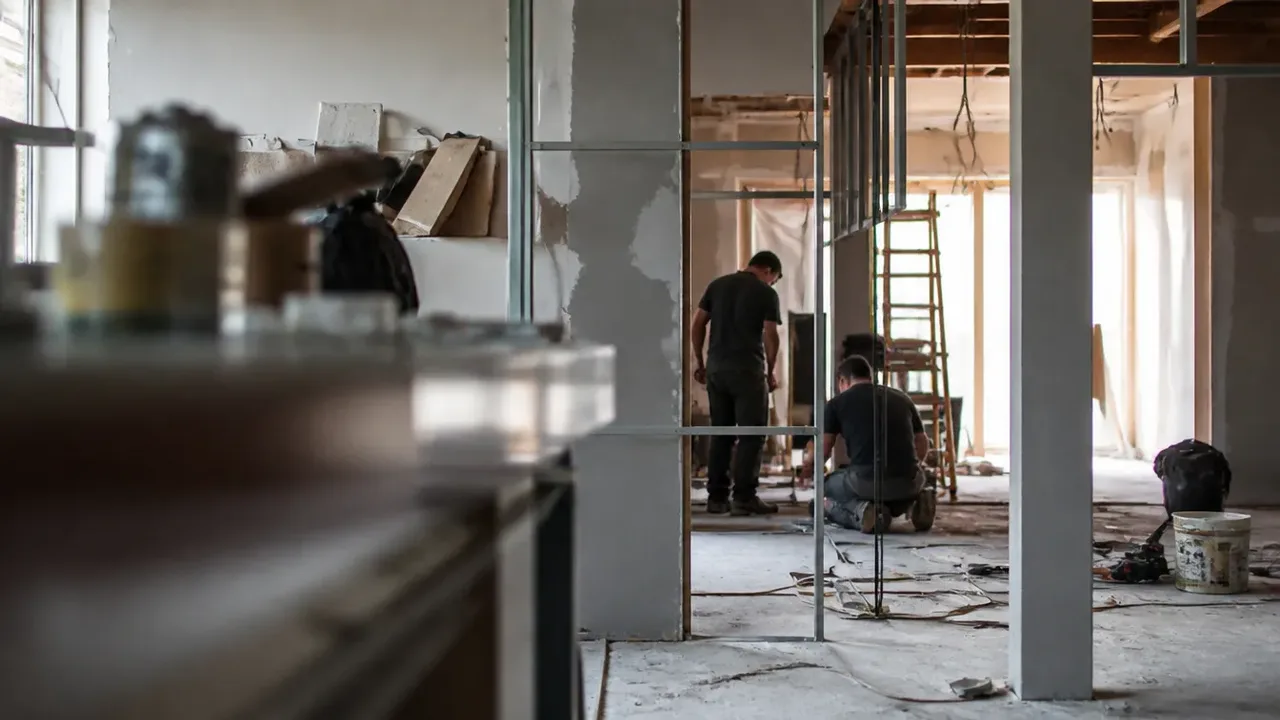
Dispute one: built-in versus movable. A freestanding banquette is FF&E. The same banquette, site-built against the wall by the millworker, is construction, or millwork, if you budget millwork separately, which we argue you should. The design intent can be identical; the budget line, the buyer, the sales tax treatment, and the depreciation schedule all change with how it is fabricated and attached. Decide banquette-by-banquette, in writing, before bidding, not after two different parties have each assumed the other priced it.
Dispute two: fixtures. The F in the middle is the vaguest word in the acronym. A chandelier is decorative and movable-ish, but an electrician hangs it and an inspector looks at it. Track lighting, bathroom mirrors, TV mounts, decorative shelving on French cleats. Every one of these has started a who-pays argument on some job. The resolution is never philosophical; it is a list. A good design team issues an FF&E matrix: every item, tagged, with columns for supplied by and installed by. Insist on it. The matrix costs an afternoon and settles a hundred future arguments.
Dispute three: kitchen equipment. Cooking equipment is equipment, obviously, but on restaurant projects the kitchen package is so large and so vendor-specific that it usually gets budgeted as its own category, outside FF&E, purchased through an equipment dealer against the mechanical drawings. The trap is assuming somebody else made that split. Ask the direct question early: is the kitchen in the FF&E number or its own number? Wrong assumptions here are not rounding errors.
Why lenders care about the line
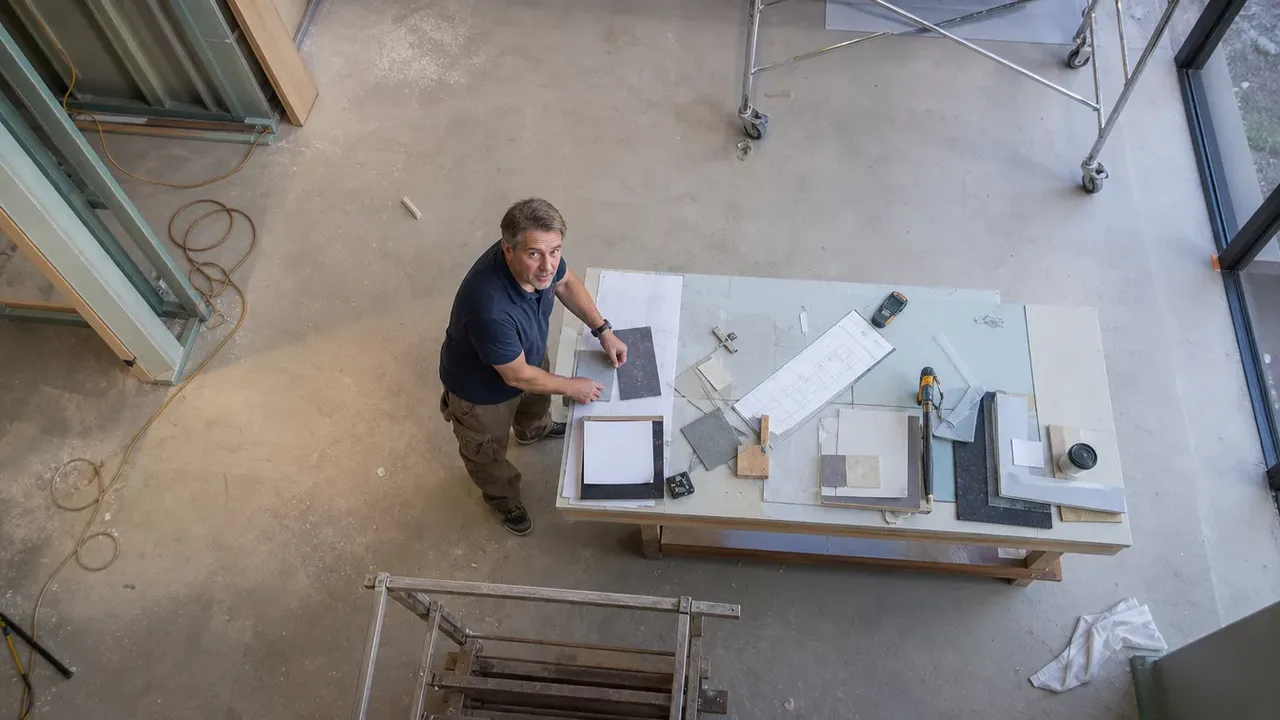
The FF&E line is not just an internal sorting convenience. Lenders, landlords, insurers, and tax authorities may classify movable property differently from construction; equipment loans and leases may also finance some items separately. Your accountant should classify the actual assets under current IRS depreciation guidance. A tenant-improvement allowance covers only the costs the lease and work letter make eligible, so never assume it pays for furniture or equipment without reading those documents.
The procurement reality: commercial grade, long lead
Two facts about buying this category surprise every first-timer.
First, residential furniture does not survive commercial service, and in many cases is not warrantied for it. Hospitality seating lives a brutal life. Considered against commercial standards like those maintained by BIFMA, the furniture industry's standards body, contract-grade product is engineered and tested for exactly the abuse a dining room delivers. The price difference between residential-looking and contract-rated is real, and it is not decoration; it is the difference between reordering chairs in year six and reordering them in year one. Suppliers who publish their specifications and lead times openly are worth favoring. A vendor who volunteers minimums and timelines in writing before you ask is telling you something about how the rest of the project will go.
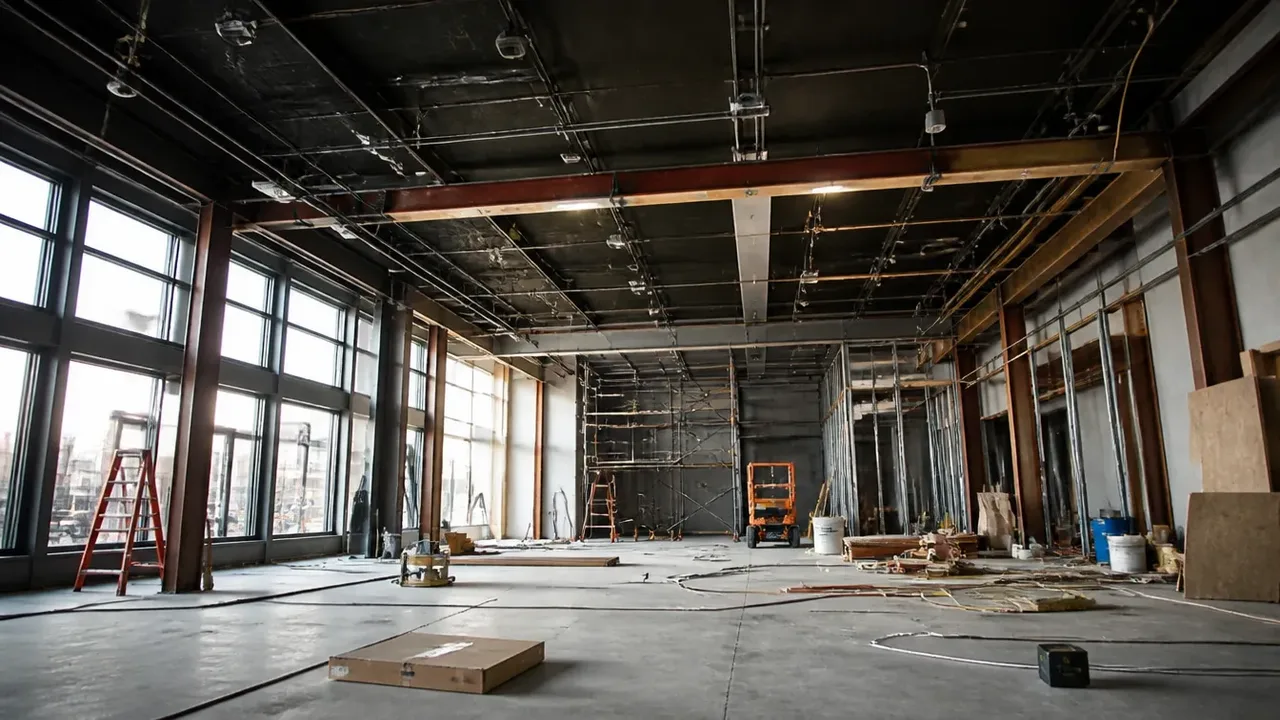
Second, FF&E is a long-lead category wearing a last-minute costume. Because furniture is installed last, teams order it last, and then discover that contract furniture is largely made to order. Fabric selections, frame finishes, quantity runs: production begins after you approve, and production takes what it takes, before freight. One avoidable risk is a finished, inspected, certificate-of-occupancy-holding room standing empty, waiting for chairs. The fix is structural: treat FF&E procurement as a workstream that starts in design development, with its own tracker, its own deposits, and its own delivery schedule reconciled monthly against the construction schedule. Our piece on lead times covers the mechanics.
Five habits that keep the line honest
- Build the matrix early. Every item, every tag, supplied-by and installed-by columns filled in. No blank cells at bid time.
- Line-item the budget; never carry FF&E as a single allowance. Allowances are where optimism hides. Forty chairs is a number; "seating allowance" is a mood.
- Order against the drawing set, not the render. Verify dimensions, door widths, and freight elevator sizes before anything is produced. Furniture that cannot physically enter the room has happened to more projects than anyone admits.
- Stage the deliveries. A full FF&E package arriving into an active construction site gets damaged, lost, and blamed. Coordinate delivery windows against the punch-list calendar: punch-list week is exactly when this collides.
- Keep attic stock. Extra fabric, extra tile of the dining chairs' finish, a few spare table bases. Year-two you will send thanks.
FF&E ends up being a quarter argument, a quarter procurement project, and half a test of whether your team writes things down. Pass the test early, with a matrix, a line-item budget, and a tracker, and the category becomes what it should have been all along: the fun part, where the room you have been pouring money into finally gets its face.
The vocabulary, for the next meeting
Because half of surviving your first FF&E conversation is not flinching at the acronyms: FF&E: furniture, fixtures, and equipment, the movable layer this article maps. OS&E: operating supplies and equipment: smallwares, linens, glassware, the consumable-adjacent layer hotels budget alongside it. The matrix: the item-by-item schedule with supplied-by and installed-by columns. COM: customer's own material, when you supply the fabric and the furniture maker applies it, a phrase that quietly adds a second lead time to the first. Attic stock: the spares you keep. Contract grade: built and tested for commercial duty, the only grade that belongs in your dining room. Walk in with those six terms and the meeting goes measurably better; walk in with the matrix already drafted and you will be the most organized first-timer your design team has seen this year.