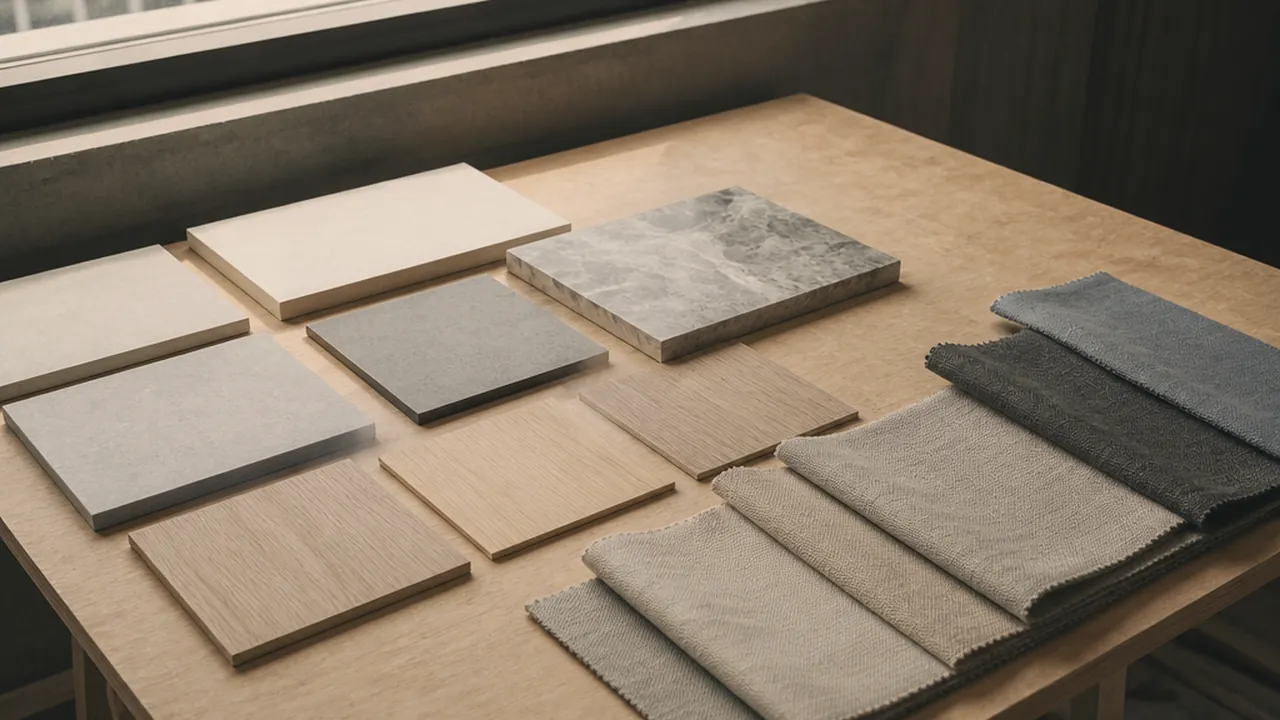
A desk described as “oak finish” leaves several questions unanswered for an import review. What is the visible veneer? What is the core? Which material forms the legs and edges? Where were the plants used in those parts harvested? Get the actual construction and sourcing information while the manufacturer is selecting materials, rather than asking a finish name to supply it after production.
For furniture entering the United States, give that information to the importer of record or its authorized agent. The opening team can coordinate the supplier responses. The responsible importer and filer must decide which declaration requirements apply and whether the proposed information is sufficient.
Confirm the declaration scope for the actual furniture
APHIS's requirements make applicability conditional: plant content, an APHIS-listed tariff code, formal entry and a covered entry type must coincide. Exceptions also need review. “Contains wood” alone does not settle the declaration requirement, and a furniture description is not a tariff classification.
Ask the importer or broker to record the decision for the finished product and shipment. If classification or an exception remains unresolved, keep that question with the import review. Do not have the designer choose an exemption from a photograph or a guessed proportion of wood.
When a declaration is required, APHIS advises importers to learn the supply chain for each plant material, including the scientific names and where the plants were harvested. A piece can contain several materials even when the visible finish looks uniform.
Separate the components behind the finish
Ask the manufacturer for a material breakdown tied to the approved item and drawing revision. Include plant-based components beyond the visible face. Have the filer identify the information needed for the actual construction, rather than limiting the request to a marketing description of the timber.
Here is a hypothetical desk specification that is not ready as a plant-data record:
| Description in the proposal | Question still open |
|---|---|
| Oak finish | Is this a finish color, a wood veneer or another surface? |
| Veneered top | What species forms the veneer, and what is the core material? |
| Solid-wood legs | Which scientific names and harvest countries apply to that timber? |
| Engineered-wood core | What construction and sourcing information supports the proposed declaration treatment? |
Those questions do not imply that the proposed desk contains any particular species or core. They expose what the current wording has not established. Request the manufacturer’s actual answers and supporting material records; do not fill the cells with plausible species names.
The FF&E matrix connects that response to the furniture item. Keep a separate component sheet where necessary so one row saying “desk” does not hide several unresolved plant materials.
Keep harvest country separate from the factory address
For each relevant component, retain its identity, the supplier's scientific-name response, harvest-country response, plant-material quantity and unit, and the supporting record. Ask the filer how those facts should be organized for the actual shipment.
The official PPQ 505 field instructions distinguish scientific names from common or trade names, and harvest country from manufacturing origin. They call for plant-material quantities for each species-and-country pairing. These are useful distinctions when preparing supplier data; the document's old mailing directions are not the current filing method.
A count of 40 desks does not supply the quantity of plant material in those desks. Get the required quantity and accepted metric unit from the supplier and filer. Keep the furniture count for purchasing and room allocation beside it, clearly identified as a different quantity.
Where the actual species or harvest country is uncertain, disclose the uncertainty and its basis. Have the filer apply the current APHIS guidance on possible species or countries and any permitted designation. Do not quietly use the factory's country or one familiar species to make a complete-looking record.
Review a composite designation component by component
APHIS provides special use designations for specified circumstances. For covered composite materials, inability to identify scientific names must remain after exercising due care. Other plant components still need their applicable scientific-name information, and the remaining declaration fields still apply. There is no special use designation for the harvest-country field.
Check the actual core construction before proposing a composite treatment. APHIS's requirements page expressly excludes thin plies or layers of solid wood from its stated SPECIAL COMPOSITE criteria. Calling plywood an engineered panel does not establish that designation for its layers. Nor does an MDF core automatically settle the veneer, solid edges or legs attached to it.
Send any proposed designation and its supporting facts to the responsible filer. Keep the accepted response beside the affected component. A generic note saying “all composite” should not override the construction that the supplier actually intends to make.
Recheck the data when materials change
Ask the supplier to report a substitution in species, core, material source or relevant quantity. A replacement that preserves the color and outside dimensions may change the plant-data answer. Return the affected information to the filer before treating the shipment record as ready.
Tie final supplier responses to the manufactured batch and shipment references, then reconcile them with the approved furniture schedule. Keep packaging information separate: an ISPM 15 packing mark answers a transport-packaging question, not the plant identities in the furniture itself. An FSC company certificate likewise does not supply every declaration field.
APHIS's current filing guidance says paper submissions are no longer accepted from January 1, 2026; filing uses ACE or LAWGS. Have the authorized importer or agent manage that submission. Keep its confirmation and outstanding questions with the freight record.
The opening team needs a furniture line whose actual materials can be traced into the import review. A submitted declaration remains a separate event from customs release, receiving acceptance and approval to use the installed furniture. Keep those outcomes distinct as the package moves toward opening.