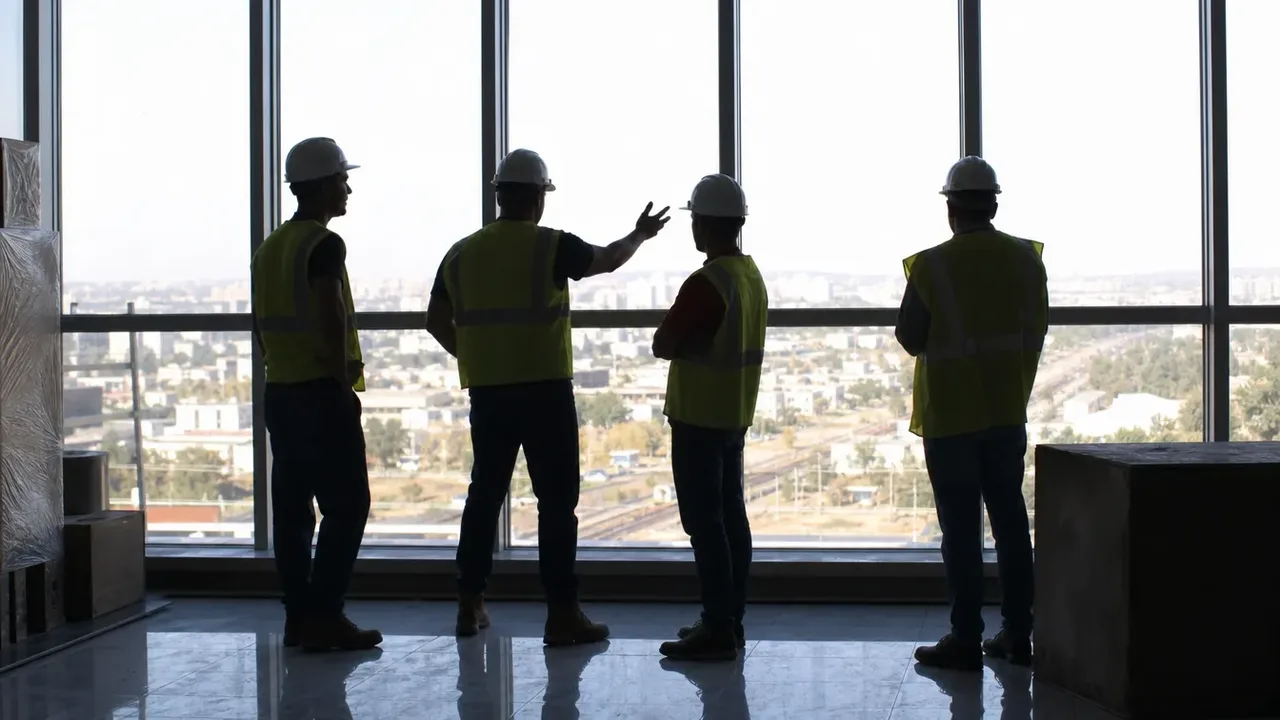
It is tempting to imagine a hotel opening as a restaurant opening, scaled: more rooms, more money, more furniture, same movie. The Hotel Desk exists because the imagination is wrong. A hotel opening differs from every other hospitality debut not by degree but by kind: in its timescale, its cast, its revenue mechanics, and above all in what the building is to the business. This is the orientation piece for the hub: the structural differences, mapped, with pointers into the guidance that covers each territory.
Room repetition needs an exception list. The Massachusetts compact-room package separates standard rooms from exceptions, and the New York ten-room reconciliation shows how to count a changed component without counting the whole variant twice.
The building is the inventory
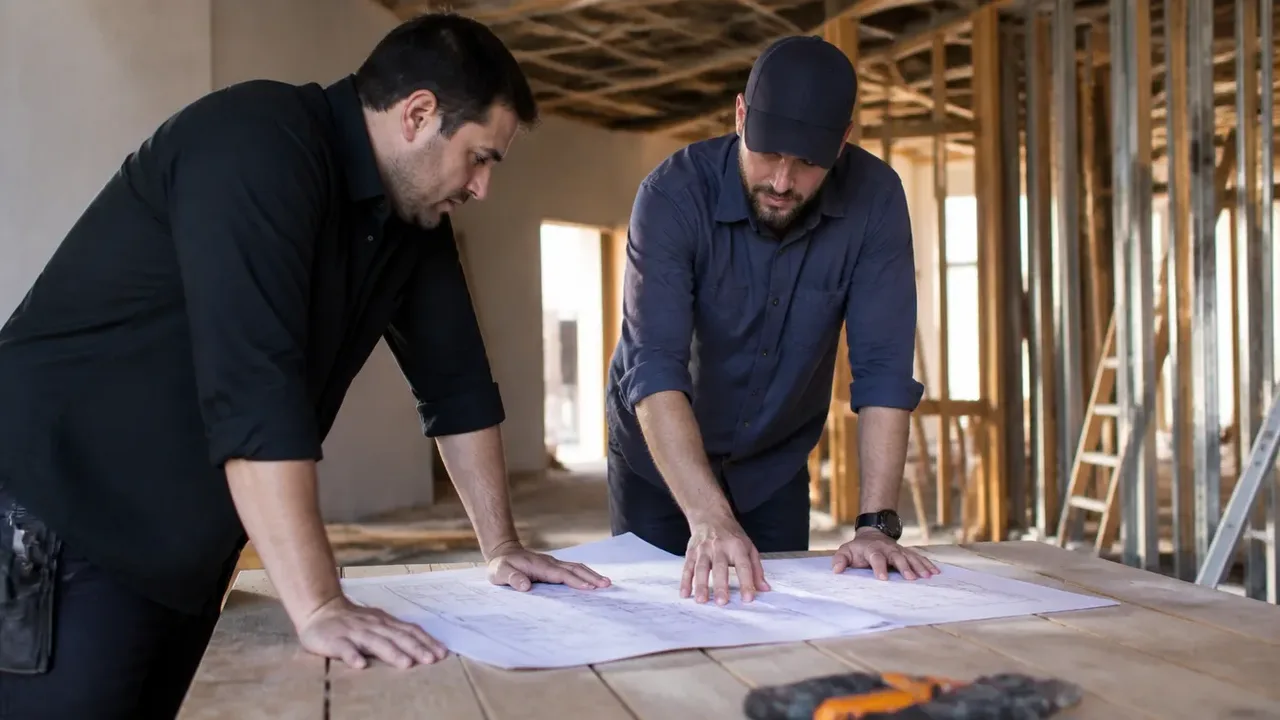
Start with the deepest difference. A restaurant's building houses the product; a hotel's building is the product. Every room is a unit of sellable inventory, every corridor a part of the purchase, every defect a discount on the thing itself. This single fact reorganizes everything upstream of it. Construction quality control becomes revenue management: a punch-list miss in a restaurant is an annoyance, while the same miss replicated across a floor of guest rooms is inventory that cannot be sold, which is why hotels institutionalized the model room, the practice of building and debugging one perfect unit before replicating it three hundred times, and why the FF&E package professionalized into its own industry of purchasing agents, consolidation warehouses, and floor-by-floor installation waves.
It also means the opening is plural. A restaurant opens once; a hotel opens in phases: floors turn over in sequence, the handover runs as a moving frontier, and properties commonly begin selling a partial building while work continues above, a discipline with its own risks that the PIP renovation beat covers from the occupied-building side.
The timeline is a different genus
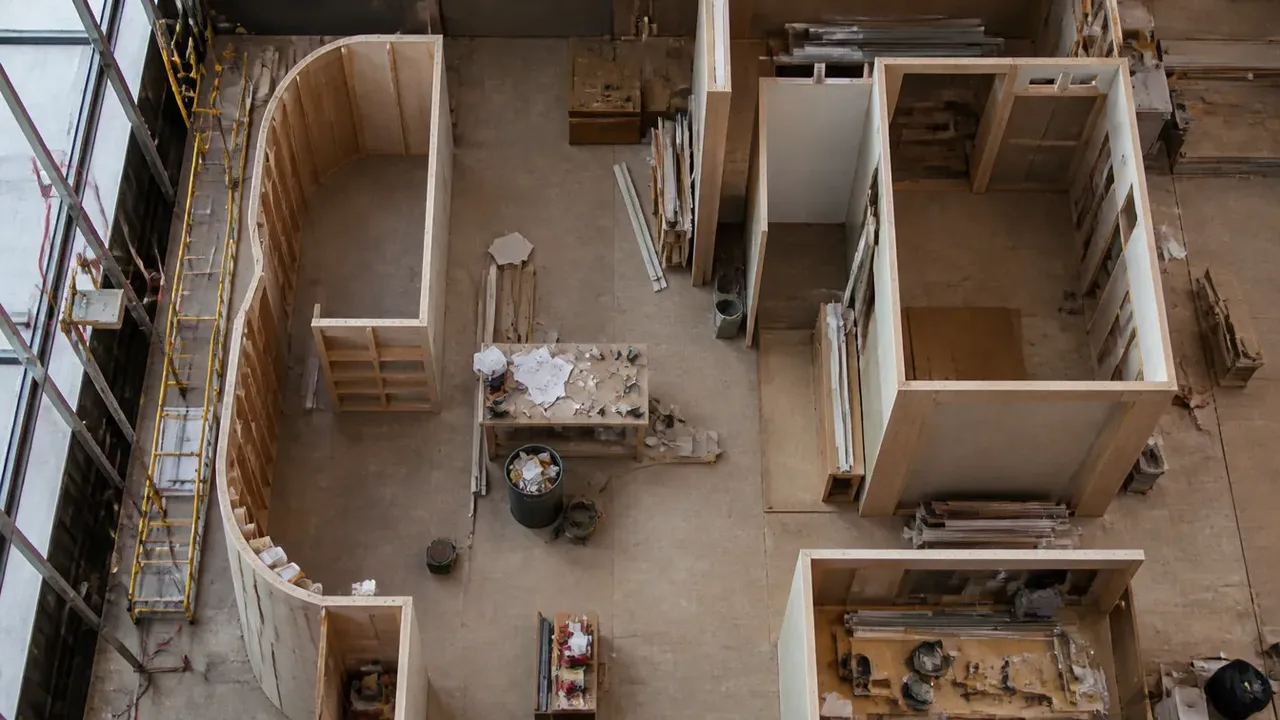
The restaurant opening timeline is measured in months; hotel development runs in years. The added length is not padding but stages that do not exist at smaller scale: entitlement and financing cycles, brand negotiation, design phases with formal gates, and a pre-opening operations period that is itself longer than many restaurant build-outs entire. Two consequences deserve an owner's attention. First, every lead-time pathology this journal documents (the ambush arithmetic, the decision calendar) operates at hotel scale with hundreds of concurrent chains, which is why hotels carry dedicated project-management staff whose entire function is the choreography. Second, the years-long span guarantees the project crosses market cycles: the hotel conceived in one economy opens in another, a risk restaurants mostly duck by being faster, and one reason the cost-per-key shorthand ages so badly between conception and ribbon.
The cast includes an auditor
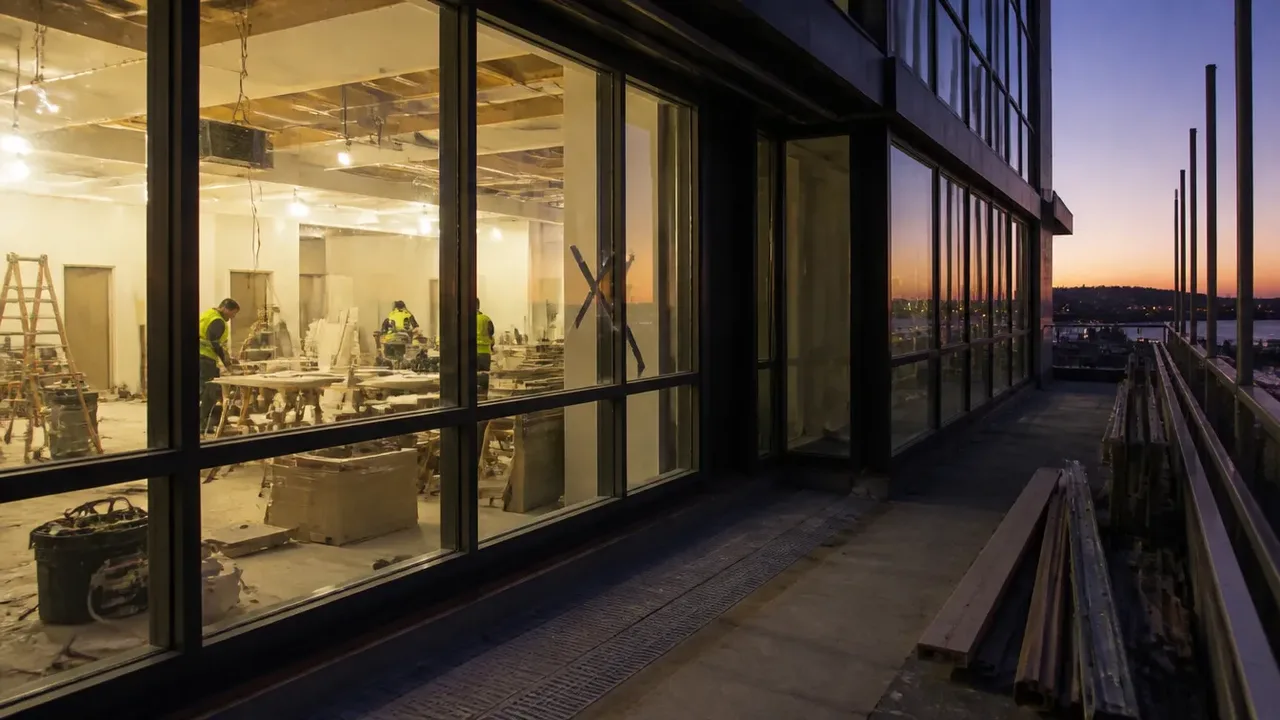
Most hotels open inside a brand system, a franchise or management agreement, and the brand changes the opening's governance in ways flag-or-independent explores fully. For orientation, the essential point: a branded opening has an examiner. Brand standards dictate swaths of the design; brand reviews gate the milestones; and the property cannot open under the flag until it passes pre-opening audits covering everything from FF&E specification to staff training completion. The examiner is neither villain nor formality. The standards encode decades of expensive lessons, but it is a schedule and budget force with no restaurant equivalent, and independents who skip the flag inherit the standards problem in a different form: they must write their own.
Revenue starts before the building does
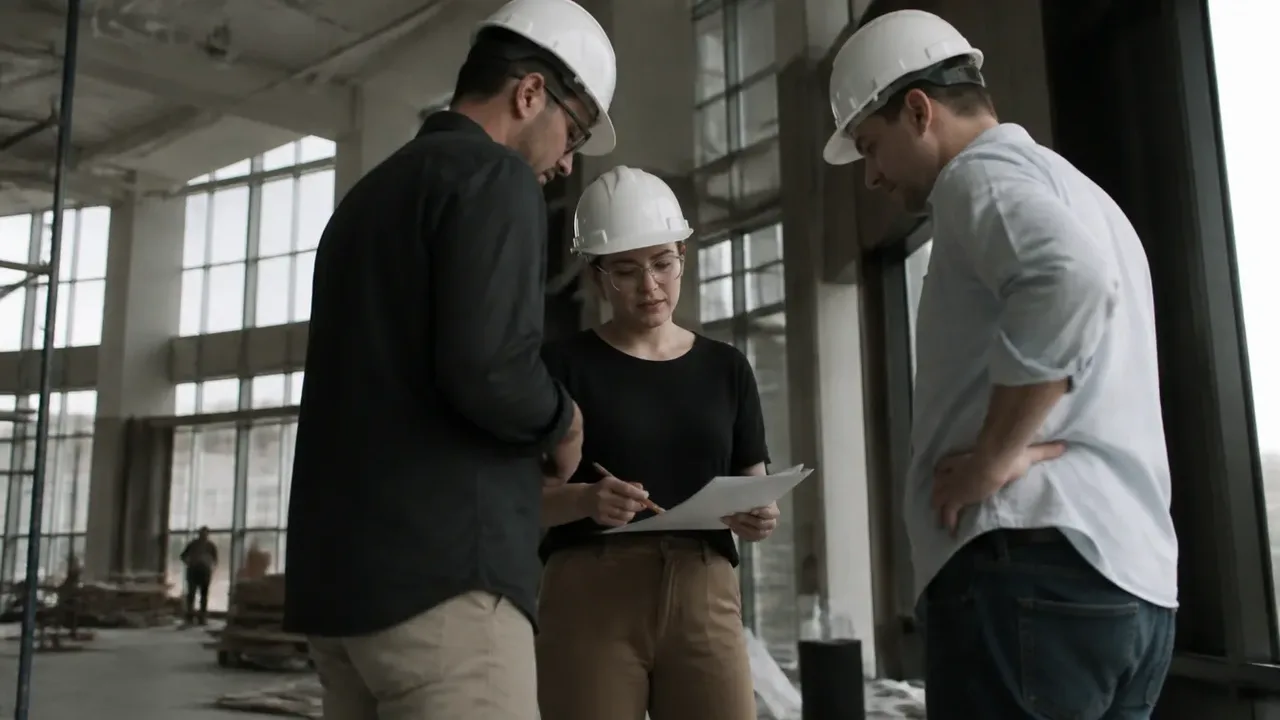
The strangest difference to first-time developers: a hotel begins selling its product years before the product exists. Sales teams are hired far up the countdown to book group business, negotiate corporate rates, and load the property into distribution systems: commitments made against drawings, with contractual teeth, which is how a construction slip becomes not merely a payroll problem but a relocation problem: booked weddings and conferences that must be honored somewhere, at the developer's expense, with the reputational bill attached. The announcement discipline this journal preaches for restaurants exists at hotels as a formal revenue-risk function: opening dates are commitments to markets, not posts to followers, and moving them is priced accordingly.
The operation can never close
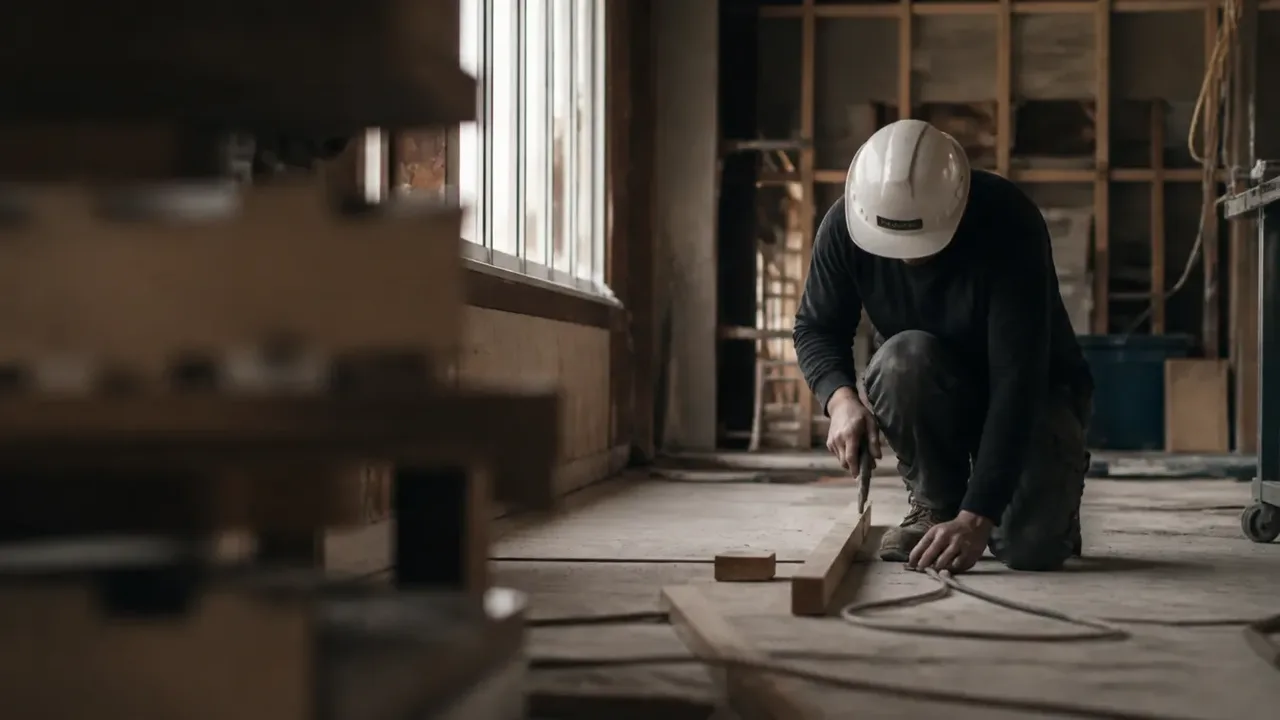
Finally, the difference that shapes the whole operating design: a restaurant closes nightly: resets, repairs, breathes. A hotel, once open, runs continuously and forever: twenty-four hours, every holiday, with guests asleep inside the machine. The build-out implications hide everywhere. Systems need redundancy a restaurant never buys, because there is no closing time in which to fix them; back-of-house circulation must let the building be serviced invisibly while fully occupied; engineering is a permanent department, hired before opening to receive the plant, not summoned after failures. And the first renovation is being scheduled, in a well-run pro forma, before the first guest arrives: the replacement clock formalized into reserves precisely because the building can never once stop to be fixed all at once.
The money is institutional
One more structural difference, briefly, because it colors every other. Restaurant build-outs are mostly funded by owners, small partnerships, and modest loans; hotels are funded by institutions (construction lenders, equity funds, sometimes public markets) and institutional money arrives with institutional apparatus. Budgets live in lender-approved formats; draws are inspected by third parties before release; the contract structures skew toward guaranteed maximums because someone's credit committee requires a worst case; and cost overruns are not private disappointments but covenant events with paperwork. The apparatus is heavy, and it is also, the Hotel Desk would note, a free education: nearly every discipline this journal urges on independents, from contingency management to monthly reforecasting, exists at hotels because a lender refused to fund its absence. The restaurant owner borrowing those habits gets the rigor without the credit committee.
Reading this hub
The rest of the Hotel Desk's territory maps onto these differences: the model room and the FF&E package map to the building-as-inventory, and flag-or-independent maps to the examiner. The PIP maps to the never-closing machine, back-of-house to the invisible half, and the hotel restaurant to the place where this desk and the rest of the journal share a wall. The restaurant reader should not skip it. Every technique here is a restaurant technique with the safety margins made visible: hospitality's habits, written down at the scale where forgetting them is unaffordable.
The differences, compressed to a sentence each: the building is the product; the timeline crosses economies; the opening has an examiner; the revenue precedes the rooms; the machine never stops; and the money brings its own auditors. Hold those six and every hotel story in this journal, the triumphant ones and the cautionary ones alike, reads as variations on themes the smallest café would recognize, played at a volume where every mistake is amplified by three hundred rooms and every discipline pays for itself nightly, for decades.
That is the orientation. The rest of the hub takes the differences one at a time, at working depth, with practical examples and checklists, because a hotel opening, for all its scale, remains what every opening is: a promise made to strangers, kept or broken in the details, one built and inspected and rehearsed detail at a time.
Scale amplifies; it never invents. Every hotel lesson began as a small room's lesson, written larger.
Read on: the desk takes each hotel-opening challenge one at a time.